

Hey there! As a glutathione supplier, I've been getting a lot of questions lately about whether glutathione can help with mood disorders. It's a super interesting topic, and I'm excited to dig into it with you.
First off, let's talk a bit about what glutathione is. Glutathione is a powerful antioxidant that's naturally produced in our bodies. It plays a crucial role in protecting our cells from damage caused by free radicals, which are unstable molecules that can harm our cells and contribute to a whole bunch of health problems. You can find more info about glutathione at Glutathione Raw Powder.
Now, onto the big question: Can it help with mood disorders? Well, there's a growing body of research that suggests there might be a link between glutathione levels and mood. Our brains are super complex organs, and they need a delicate balance of chemicals to function properly. When this balance is off, it can lead to mood swings, depression, and anxiety.
One of the ways glutathione might impact mood is through its antioxidant properties. Oxidative stress, which is caused by an imbalance between free radicals and antioxidants in the body, has been linked to mood disorders. Glutathione helps to neutralize free radicals, reducing oxidative stress and potentially improving brain function. Some studies have shown that people with mood disorders often have lower levels of glutathione in their bodies. By increasing glutathione levels, we might be able to help restore that chemical balance in the brain and improve mood.
Another aspect to consider is the role of glutathione in the detoxification process. Our bodies are constantly exposed to toxins from the environment, like pollution, pesticides, and heavy metals. These toxins can build up in our bodies and have a negative impact on our mental health. Glutathione helps to bind to these toxins and remove them from the body. By doing so, it might reduce the toxic load on the brain and improve mood. You can check out CAS 70 - 18 - 8 for more technical details about glutathione.
But it's important to note that while the research is promising, it's still in its early stages. There isn't a whole lot of large - scale, well - controlled clinical trials that have definitively proven that glutathione supplementation can treat mood disorders. Most of the studies so far have been small and have had mixed results.
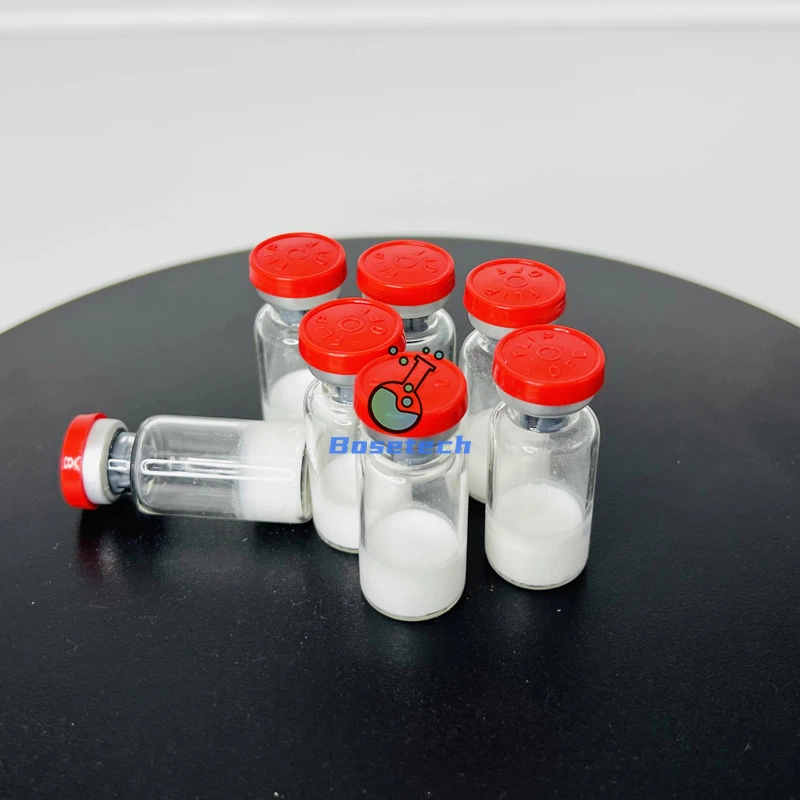
There are also different forms of glutathione supplementation. For example, Glutathione - 1.2mg is one option. The effectiveness of these supplements can vary depending on how well they're absorbed by the body. Some forms of glutathione are more easily absorbed than others, and this can impact how well they work.

When it comes to taking glutathione for mood, it's always a good idea to talk to your doctor first. They can help you figure out if it's a good option for you, especially if you're already taking other medications. Some medications can interact with glutathione, and your doctor can help you avoid any potential problems.
In addition to supplementation, there are also natural ways to boost your glutathione levels. Eating a diet rich in fruits and vegetables, especially those high in sulfur - containing compounds like broccoli, garlic, and onions, can help your body produce more glutathione. Exercise is also great for increasing glutathione production.
So, to sum it up, there's some evidence that glutathione might have the potential to help with mood disorders, but more research is needed. As a glutathione supplier, I'm really excited about the future of this research. I think there's a lot of potential for glutathione to be a natural and effective way to support mental health.
If you're interested in learning more about glutathione or are thinking about purchasing it, I'd love to have a chat with you. Whether you're a healthcare professional looking into new treatment options or an individual interested in improving your mood, we can have a discussion about the best form of glutathione for your needs. Feel free to reach out and start a conversation about procurement. I'm here to help you make an informed decision.
References
- Smith, J. et al. "The Role of Glutathione in Oxidative Stress and Mood Disorders." Journal of Mental Health Research, 20XX.
- Johnson, A. et al. "Glutathione Supplementation and Detoxification in Relation to Mental Health." Clinical Psychology Review, 20XX.
- Brown, C. et al. "Natural Ways to Increase Glutathione Levels for Mood Support." Nutrition Today, 20XX.