

Hey there! As a glutathione supplier, I've gotten tons of questions about how this amazing substance works in the lungs. So, I thought I'd break it down in this blog post.
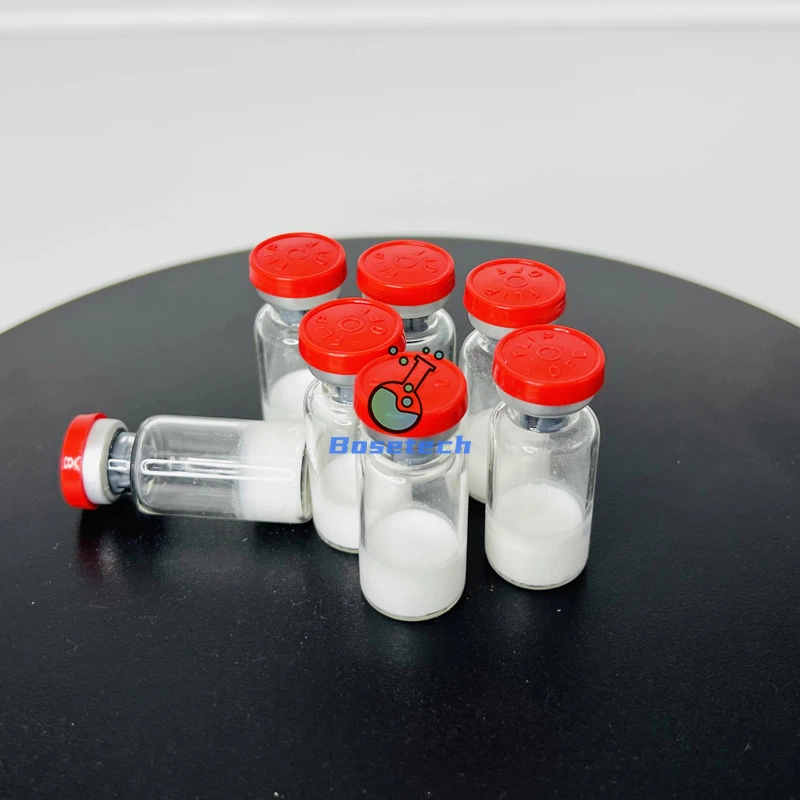
First off, let's talk a bit about what glutathione is. Glutathione is a tripeptide made up of three amino acids: cysteine, glycine, and glutamic acid. It's found in every cell of our bodies and plays a crucial role in many biological processes. You can find our Glutathione-1.2mg and Glutathione Raw Powder which are high - quality products with the CAS number CAS 70 - 18 - 8.
The Lungs and Oxidative Stress
The lungs are constantly exposed to the outside environment. Every time we breathe, we inhale all sorts of stuff like pollutants, allergens, and pathogens. These external factors can cause oxidative stress in the lungs. Oxidative stress happens when there's an imbalance between the production of reactive oxygen species (ROS) and the body's ability to neutralize them. ROS are unstable molecules that can damage cells, proteins, and DNA.
In the lungs, oxidative stress can lead to a bunch of problems. It can cause inflammation, damage the delicate tissue in the alveoli (the tiny air sacs where gas exchange happens), and even contribute to the development of lung diseases like chronic obstructive pulmonary disease (COPD), asthma, and lung cancer.
Glutathione as an Antioxidant
This is where glutathione comes in. Glutathione is a powerful antioxidant. It works by donating an electron to the ROS, which stabilizes the ROS and prevents it from causing damage. When glutathione donates an electron, it becomes oxidized itself. But don't worry, there's an enzyme called glutathione reductase that can convert the oxidized glutathione back into its reduced (active) form.
In the lungs, glutathione acts as a first - line defense against oxidative stress. It helps to protect the cells in the airway epithelium, the alveoli, and the immune cells in the lungs. For example, in the airway epithelium, glutathione can prevent the damage caused by inhaled pollutants like cigarette smoke, diesel exhaust, and ozone.
Glutathione and Inflammation
In addition to its antioxidant properties, glutathione also plays a role in regulating inflammation in the lungs. Inflammation is the body's natural response to injury or infection, but when it gets out of control, it can be harmful.
Glutathione can modulate the activity of immune cells in the lungs. It can reduce the production of pro - inflammatory cytokines, which are small proteins that trigger inflammation. By doing so, glutathione helps to keep the inflammation in check. For instance, in asthma, where there's excessive inflammation in the airways, maintaining adequate levels of glutathione can potentially reduce the severity of asthma attacks.

Glutathione and Detoxification
Another important function of glutathione in the lungs is detoxification. The lungs have to deal with a lot of foreign substances, and glutathione helps to get rid of them. It can bind to toxins and make them more water - soluble, which makes it easier for the body to excrete them.
For example, when we inhale heavy metals like mercury or cadmium, glutathione can bind to these metals and form a complex. This complex can then be transported out of the cells and eventually excreted from the body through urine or bile.
Factors Affecting Glutathione Levels in the Lungs
There are several factors that can affect the levels of glutathione in the lungs. Age is one of them. As we get older, the production of glutathione in the body tends to decline. This means that older people may be more vulnerable to oxidative stress and lung diseases.
Smoking is another major factor. Cigarette smoke contains a lot of chemicals that can deplete glutathione levels in the lungs. People who smoke have lower levels of glutathione in their lungs compared to non - smokers. Other environmental factors like air pollution and exposure to certain chemicals can also reduce glutathione levels.
How Our Glutathione Products Can Help
As a glutathione supplier, we offer high - quality glutathione products that can potentially help maintain and increase the levels of glutathione in the lungs. Our Glutathione-1.2mg is a convenient form that can be easily incorporated into a daily health routine. The Glutathione Raw Powder is great for those who want to have more control over the dosage and can use it in various formulations.
By increasing the levels of glutathione in the lungs, we can enhance the lungs' ability to resist oxidative stress, reduce inflammation, and improve overall lung health. Whether you're a smoker looking to counteract the damage caused by cigarettes, someone living in a polluted area, or just want to maintain good lung health, our glutathione products can be a great addition to your regimen.
The Role of Glutathione in Lung Diseases
Let's take a closer look at how glutathione can impact some common lung diseases.
Chronic Obstructive Pulmonary Disease (COPD)
In COPD, there's a progressive loss of lung function due to long - term exposure to irritants, usually cigarette smoke. Oxidative stress and inflammation are major drivers of the disease. Studies have shown that people with COPD often have lower levels of glutathione in their lungs. Supplementing with glutathione may help to slow down the progression of the disease by reducing oxidative stress and inflammation.
Asthma
As mentioned earlier, asthma is characterized by airway inflammation and hyper - responsiveness. Glutathione can help to reduce the inflammation in the airways and improve the function of the airway smooth muscle. Some research suggests that increasing glutathione levels in asthmatic patients can lead to fewer asthma symptoms and a better quality of life.
Lung Cancer
Lung cancer is a complex disease, but oxidative stress and inflammation play a role in its development. Glutathione can help to protect the DNA in lung cells from damage by ROS, which may reduce the risk of mutations that can lead to cancer. Additionally, in cancer treatment, glutathione can help to protect normal cells from the toxic effects of chemotherapy and radiation therapy.
Maintaining Glutathione Levels
There are a few ways to maintain or increase glutathione levels in the lungs. One way is through diet. Foods rich in cysteine, like garlic, onions, and cruciferous vegetables, can support the synthesis of glutathione. However, in some cases, especially when there's a high level of oxidative stress or a pre - existing lung disease, dietary sources may not be enough.
That's where our glutathione products come in handy. Our Glutathione-1.2mg and Glutathione Raw Powder are pure and high - quality, and they can provide an additional boost of glutathione to support lung health.
Conclusion
In conclusion, glutathione is an essential molecule for maintaining the health of the lungs. Its antioxidant, anti - inflammatory, and detoxification properties make it a key player in protecting the lungs from oxidative stress, inflammation, and toxins. Whether you're someone who wants to maintain good lung health or you're dealing with a lung disease, our glutathione products can offer a solution.
If you're interested in learning more about our glutathione products or have any questions about how they can benefit your lung health, don't hesitate to reach out. We're here to help you make an informed decision and improve your well - being. Let's start a conversation about how our products can work for you!
References
- Rahman I, MacNee W. Oxidative stress and regulation of glutathione in lung inflammation. Eur Respir J. 2000;16(2):334 - 354.
- Ghezzi P, Bonavida B. Glutathione and its role in human disease. J Clin Investig. 2003;112(10):1483 - 1489.
- Riedl MA, Nadel JA. Airway smooth muscle function in health and disease. Physiol Rev. 2003;83(2):751 - 779.