

Hey there! I'm a supplier of GHK - Cu - 100mg, and today I wanna chat with you about the recommended dosage of this amazing stuff.
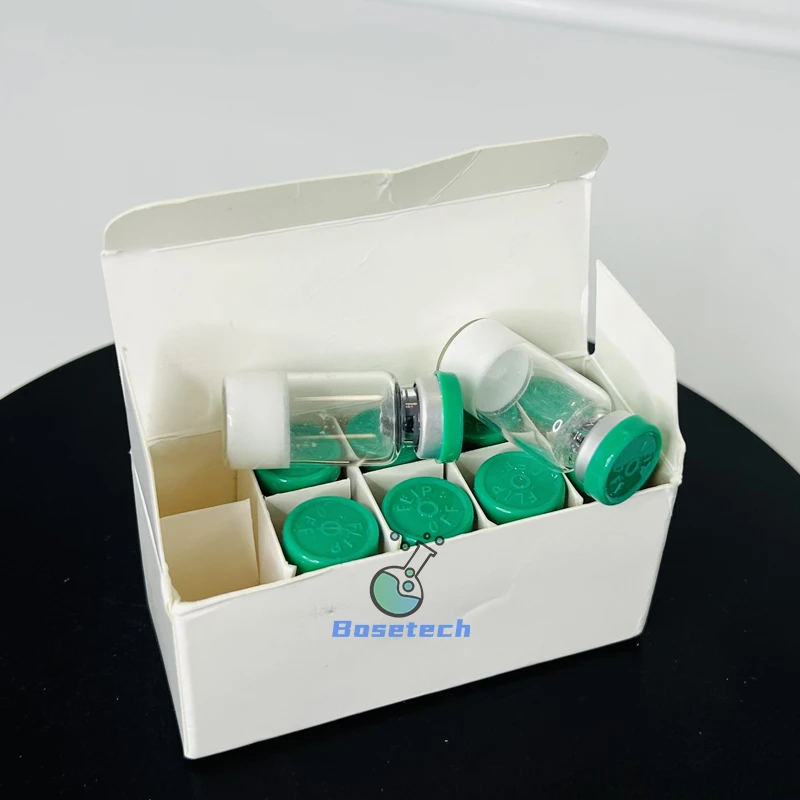
First off, let's quickly introduce what GHK - Cu - 100mg is. GHK - Cu is a copper - binding peptide with the CAS number CAS 89030 - 95 - 5. It comes in a 100mg form, which we sell as GHK - Cu - 100mg. It's derived from human plasma, saliva, and urine, and it's been studied for a variety of potential health and cosmetic benefits.
The Science Behind GHK - Cu
GHK - Cu plays a crucial role in tissue repair and regeneration. It can stimulate collagen and glycosaminoglycan synthesis, which are important for maintaining the structure and elasticity of our skin. Also, it has antioxidant properties, helping to protect cells from damage caused by free radicals.
In the body, GHK - Cu acts like a signaling molecule. It can bind to copper ions and then interact with cells to trigger different biological responses. For example, it can attract immune cells to the site of injury, promoting the healing process.
Recommended Dosage
Now, let's get to the main question: what's the recommended dosage of GHK - Cu - 100mg? Well, the dosage can vary depending on the purpose of use.
Cosmetic Use
If you're using GHK - Cu - 100mg for cosmetic reasons, like improving skin appearance, reducing wrinkles, and enhancing skin firmness, a common recommended dosage in topical products is around 0.01% - 0.1% concentration.
For example, if you're making a 100 - gram skin cream, you'd use 0.01 - 0.1 grams (10 - 100 milligrams) of GHK - Cu. This range has been found to be effective in promoting collagen production and improving skin texture without causing significant side effects.
When applying it topically, you should do it once or twice a day. Just gently massage the product into clean, dry skin. It's best to start with a lower concentration and gradually increase it as your skin gets used to it.
Therapeutic Use
In the case of therapeutic use, such as for wound healing or tissue repair, the dosage can be a bit more complex. Some studies suggest that a dosage of 1 - 10 milligrams per kilogram of body weight might be appropriate, but this should be under the supervision of a medical professional.
For example, if a person weighs 70 kilograms, the dosage could range from 70 - 700 milligrams. However, this is usually administered in a clinical setting, either through injections or other medical - grade delivery methods.

It's important to note that there isn't a one - size - fits - all dosage for everyone. Factors like age, overall health, and the specific condition being treated can all affect the optimal dosage.
Safety Considerations
GHK - Cu is generally considered safe when used at appropriate dosages. However, like any substance, it can have potential side effects.
When using it topically, some people might experience mild skin irritation, such as redness or itching. If this happens, stop using the product and consult a dermatologist.
For internal use, there's a lack of long - term safety data. That's why it's crucial to only use it under medical supervision if you're considering therapeutic applications.
How We Provide GHK - Cu - 100mg
As a supplier, we offer high - quality GHK - Cu Raw Powder. Our product is carefully manufactured to meet strict quality standards. We ensure that it's pure and free from contaminants.
We also provide detailed product information and support to our customers. Whether you're a small - scale cosmetic formulator or a large - scale pharmaceutical company, we can work with you to meet your specific needs.
Contact Us for Procurement
If you're interested in purchasing GHK - Cu - 100mg for your business or personal use, don't hesitate to get in touch. We're here to help you with all your questions about dosage, product quality, and pricing. Let's start a conversation and see how we can work together to achieve your goals.
References
- Pickart, L. M., & Thaler, M. M. (1981). The plasma copper - binding peptide GHK and its complex with copper(II). Biochemical and Biophysical Research Communications, 101(2), 619 - 626.
- Brem, H., & Tomic - Canic, M. (2007). Cellular and molecular basis of wound healing in diabetes. Journal of Clinical Investigation, 117(5), 1219 - 1222.
- Rojkind, M., Gonzalez, M. A., & Galvis, C. (1993). The tripeptide glycyl - l - histidyl - l - lysine stimulates collagen gene expression in cultured fibroblasts. The Journal of Biological Chemistry, 268(2), 1467 - 1472.