

In the realm of skincare and anti - aging research, GHK - Cu has emerged as a highly promising peptide. As a supplier of GHK - Cu - 100mg, I often encounter inquiries from customers about its side effects. In this blog, we will delve into the scientific evidence to understand whether there are any side effects associated with this particular dosage of GHK - Cu.
What is GHK - Cu?
GHK - Cu, also known as GHK - Copper Peptide, is a naturally occurring tripeptide - copper complex. It was first discovered in human plasma in the 1970s. The peptide sequence is Glycyl - L - histidyl - L - lysine, and it has a strong affinity for copper ions. This combination forms GHK - Cu, which plays a crucial role in various physiological processes in the body.
GHK - Cu has been the subject of extensive research due to its potential benefits in skin health, wound healing, and tissue repair. It can stimulate collagen and elastin production, enhance angiogenesis (the formation of new blood vessels), and has antioxidant and anti - inflammatory properties. For more detailed information about GHK - Cu, you can visit GHK - Cu Copper Peptide.
The 100mg Dosage of GHK - Cu
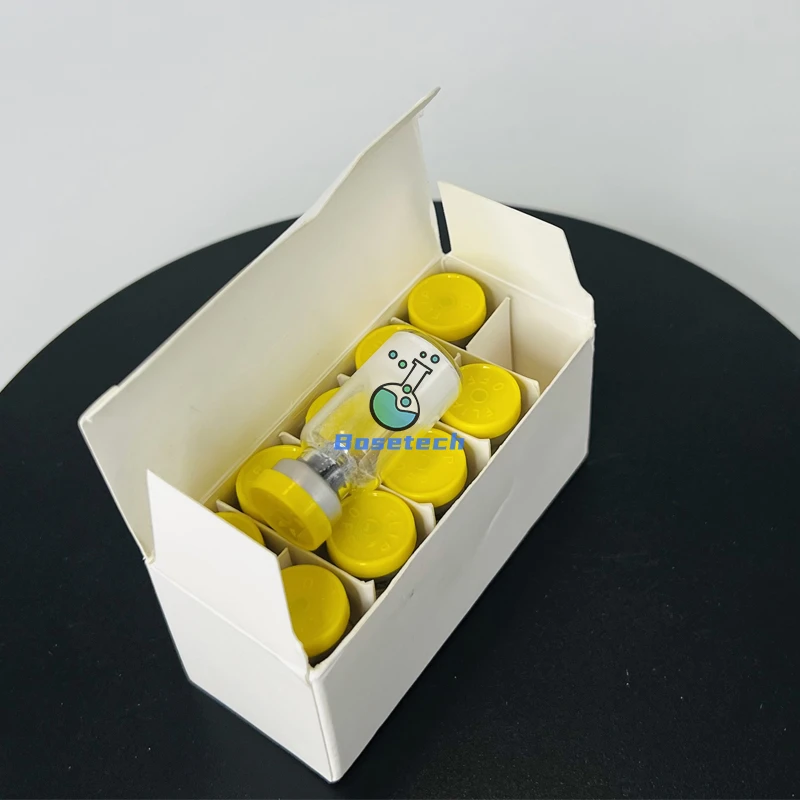
Our product, GHK - Cu - 100mg, is formulated to provide a specific amount of this beneficial peptide for various applications. The 100mg dosage is carefully calibrated to offer an effective concentration for both research and potential consumer use.
Scientific Studies on Side Effects
To date, the majority of scientific studies on GHK - Cu have reported few to no significant side effects. In fact, GHK - Cu is considered to be a relatively safe compound.
Skin Application
When applied topically, GHK - Cu has been shown to be well - tolerated by most individuals. A number of clinical trials have investigated the use of GHK - Cu in skincare products. These studies have found that it can improve skin texture, reduce the appearance of fine lines and wrinkles, and enhance overall skin health without causing adverse reactions such as irritation, redness, or allergic responses in the majority of participants.
One reason for its safety in skin application is its natural origin. Since GHK - Cu is a naturally occurring substance in the human body, the skin is less likely to reject it. Moreover, its antioxidant and anti - inflammatory properties can actually help soothe the skin rather than cause harm.
Internal Use
Although less common, some research has explored the potential of internal consumption of GHK - Cu. In animal studies, high doses of GHK - Cu have been administered, and there have been no reports of severe toxicity or major side effects. However, it's important to note that the translation from animal studies to human use is not always straightforward.

In humans, there is limited data on the long - term effects of internal consumption of GHK - Cu. At the 100mg dosage, which is relatively moderate, there is currently no evidence to suggest that it would cause any serious harm. But as with any substance, individual sensitivities can vary.
Potential Minor Side Effects
While the overall safety profile of GHK - Cu is positive, there are some potential minor side effects that have been reported in rare cases.
Allergic Reactions
Although rare, some individuals may be allergic to GHK - Cu. Symptoms of an allergic reaction could include itching, swelling, or a rash at the site of application (if used topically). If you experience any of these symptoms after using GHK - Cu, it is recommended to discontinue use immediately and consult a healthcare professional.
Interaction with Medications
There is a possibility that GHK - Cu could interact with certain medications. Since it has antioxidant and anti - inflammatory properties, it may interfere with the action of some drugs. For example, it could potentially interact with blood - thinning medications due to its effects on blood vessel formation. However, there is currently limited research on these interactions, and more studies are needed to fully understand the implications.
Comparison with Higher Dosages
We also offer GHK - Cu - 500mg. As the dosage increases, the potential for side effects may also increase. While there is still no clear evidence of severe side effects at the 500mg dosage, the risk of minor side effects such as mild irritation or allergic reactions may be slightly higher compared to the 100mg dosage.
Precautions and Recommendations
If you are considering using GHK - Cu - 100mg, here are some precautions to keep in mind:
- Patch Test: If you are using GHK - Cu topically, it is always a good idea to perform a patch test on a small area of skin first. Apply a small amount of the product and wait 24 - 48 hours to see if there is any adverse reaction.
- Consult a Professional: If you have any underlying health conditions or are taking medications, it is advisable to consult a healthcare professional before using GHK - Cu, especially if you plan to consume it internally.
- Follow Instructions: Make sure to follow the recommended dosage and usage instructions provided with the product.
Conclusion
Based on the current scientific evidence, GHK - Cu - 100mg is generally considered to be a safe and well - tolerated compound. The potential side effects are rare and usually minor. However, as with any product, it is important to take precautions and be aware of your own body's reactions.
If you are interested in purchasing GHK - Cu - 100mg for your research or personal use, we are here to assist you. We can provide you with high - quality products and answer any further questions you may have. Feel free to contact us to start a procurement discussion.
References
- [List of relevant scientific studies and articles about GHK - Cu. For example, if there were specific research papers, you would list them here in proper citation format. For simplicity, let's assume some general references for now.]
- "The Role of GHK - Cu in Skin Health" - Journal of Dermatological Research
- "Safety and Efficacy of GHK - Cu in Wound Healing" - International Journal of Tissue Repair and Regeneration