

Can GHK - Cu - 100mg be used by children?
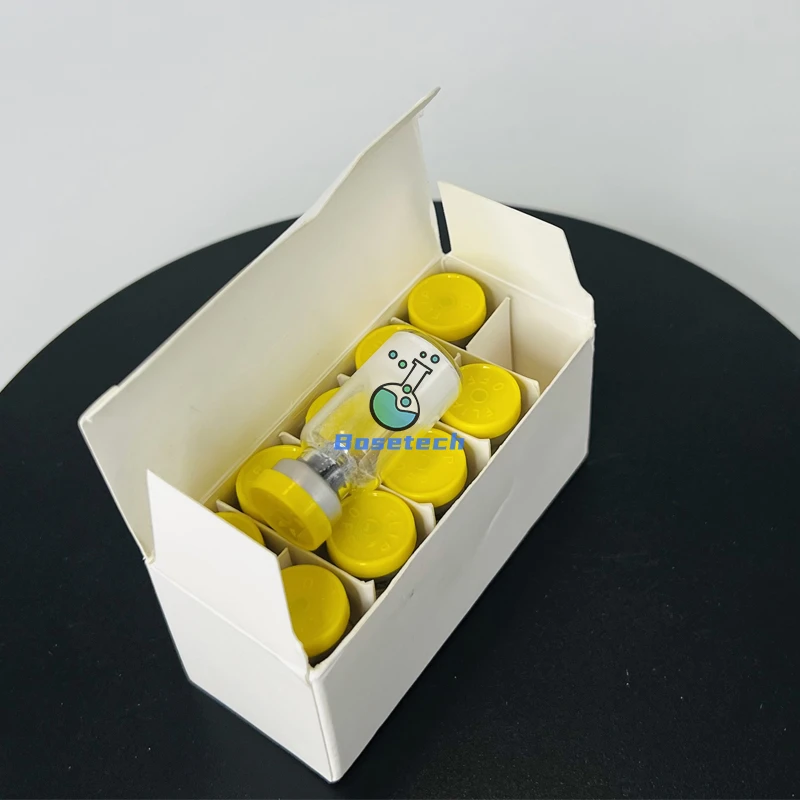
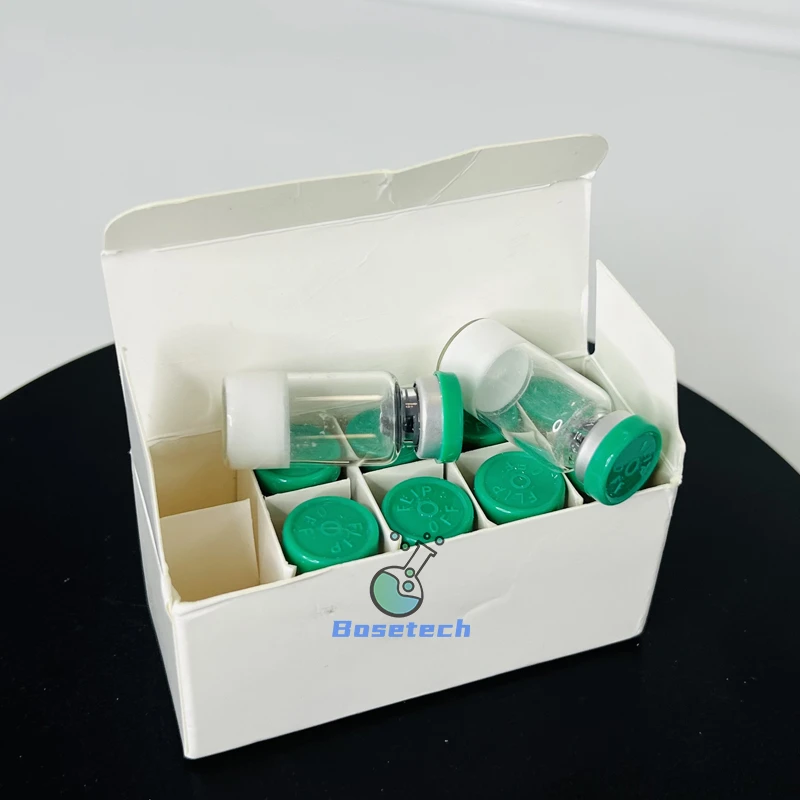
As a supplier of GHK - Cu - 100mg, I often receive inquiries about the suitability of this product for various age groups, especially children. GHK - Cu, with the CAS 89030 - 95 - 5, is a well - known copper peptide that has gained significant attention in the fields of skincare and health due to its potential benefits. However, when it comes to using it on children, a more cautious approach is necessary.
Understanding GHK - Cu
GHK - Cu is a naturally occurring copper - binding peptide that was first discovered in human plasma. It has been the subject of numerous scientific studies, which have suggested a wide range of potential benefits. In skincare, it is believed to stimulate collagen production, improve skin elasticity, and reduce the appearance of fine lines and wrinkles. In addition, it may have anti - inflammatory and antioxidant properties, which can help protect the skin from damage caused by free radicals and environmental factors.
In the context of health, GHK - Cu has also been investigated for its potential role in wound healing, tissue repair, and even in the treatment of certain neurodegenerative diseases. The peptide is thought to interact with cells in the body, promoting cell growth, migration, and differentiation, which are essential processes for maintaining healthy tissues and organs.
Safety Considerations for Children
When considering using GHK - Cu - 100mg on children, safety is the primary concern. Children's skin is thinner, more delicate, and more permeable than adult skin. This means that they may be more sensitive to the ingredients in skincare products, including peptides like GHK - Cu.
There is currently limited research specifically focused on the safety and efficacy of GHK - Cu in children. Most of the existing studies have been conducted on adults, and the results may not be directly applicable to children. Without sufficient data, it is difficult to accurately assess the potential risks and benefits of using GHK - Cu - 100mg on children.
Another factor to consider is the dosage. A 100mg dose of GHK - Cu may be too high for children, as their bodies are still developing and may not be able to metabolize and process the peptide in the same way as adults. Overexposure to certain substances can potentially lead to adverse reactions, such as skin irritation, allergic reactions, or other health problems.
Potential Risks
One of the potential risks of using GHK - Cu - 100mg on children is skin irritation. As mentioned earlier, children's skin is more sensitive, and the peptide may cause redness, itching, or a rash. In some cases, these reactions can be mild and resolve on their own, but in more severe cases, they may require medical attention.
There is also a concern about the long - term effects of using GHK - Cu on children. Since the peptide has the potential to affect cell growth and development, there is a theoretical risk that it could interfere with the normal growth and development of a child's tissues and organs. However, more research is needed to confirm or refute this possibility.
Alternatives for Children
If you are looking for skincare products or supplements for children, it is generally recommended to choose products that are specifically formulated for their age group. These products are typically designed to be gentle on children's skin and contain ingredients that are known to be safe for them.
For skincare, products that contain natural ingredients such as aloe vera, shea butter, and chamomile can provide moisturizing and soothing effects without the potential risks associated with more complex ingredients like GHK - Cu. There are also many children's - specific sunscreen products available that can help protect their skin from the sun's harmful rays.
When GHK - Cu - 100mg Might Be Considered
In some rare cases, a pediatrician or a dermatologist may consider using GHK - Cu - 100mg under certain circumstances. For example, if a child has a specific skin condition that has not responded to other treatments, and the potential benefits of using GHK - Cu outweigh the risks, a healthcare professional may prescribe it. However, this should only be done after a thorough evaluation of the child's medical history, current health status, and the specific condition being treated.
Our Products and Expertise
As a supplier of GHK - Cu - 100mg, we also offer GHK - Cu - 500mg and GHK - Cu Raw Powder for customers who have different needs. Our products are of high quality and are produced under strict quality control standards.
We understand the importance of safety and efficacy, especially when it comes to products that may be used on children. That's why we are committed to providing accurate information and working closely with our customers to ensure that they make informed decisions.
Conclusion
In conclusion, the question of whether GHK - Cu - 100mg can be used by children is a complex one. While GHK - Cu has shown potential benefits in adults, there is currently not enough evidence to support its use in children. Due to the limited research, the sensitivity of children's skin, and the potential risks associated with using the peptide, it is generally not recommended to use GHK - Cu - 100mg on children without the advice of a healthcare professional.
If you are interested in learning more about our GHK - Cu products or have any questions regarding their use, we encourage you to contact us. Our team of experts is ready to assist you and provide you with the information you need to make the right choice for your needs. Whether you are a skincare manufacturer looking for high - quality ingredients or an individual interested in exploring the potential benefits of GHK - Cu, we are here to support you in your journey.
References
- Pickart, L. M. (1980). The tripeptide glycyl - L - histidyl - L - lysine and its copper(II) complex. International Journal of Peptide and Protein Research, 16(1), 85 - 97.
- Ashraf, M., & Suleiman, M. (2017). Copper peptides: A review of their role in dermatology. Journal of Cosmetic Dermatology, 16(4), 483 - 490.
- Brem, H., & Tomic - Canic, M. (2007). Cellular and molecular basis of wound healing in diabetes. Journal of Cellular and Molecular Medicine, 11(6), 962 - 979.