

Hey there! As a supplier of GHK - Cu - 100mg, I often get asked a bunch of questions. One that pops up quite a bit is, "Can GHK - Cu - 100mg be used on sensitive skin?" Well, let's dive right into it and find out.
First off, let's talk a bit about what GHK - Cu is. GHK - Cu, or Glycyl - L - Histidyl - L - Lysine Copper(II) Complex, is a pretty cool peptide. It's been getting a lot of attention in the skincare world lately. You can check out more about GHK - Cu Raw Powder on our website. This peptide has some amazing properties. It's known to promote collagen synthesis, which is super important for keeping our skin looking plump and youthful. Collagen is like the scaffolding of our skin, and as we age, our natural collagen production starts to decline. That's where GHK - Cu comes in.
Now, back to the big question: sensitive skin. Sensitive skin is a bit of a tricky customer. It's easily irritated by all sorts of things, like harsh chemicals, extreme temperatures, and certain ingredients in skincare products. So, when it comes to using GHK - Cu - 100mg on sensitive skin, we need to be careful.
The good news is that GHK - Cu is generally considered to be a relatively safe and well - tolerated ingredient. It's a natural peptide that's actually found in our bodies, especially in our blood plasma and saliva. This means that our skin is already familiar with it to some extent. However, just because it's natural doesn't mean that everyone will react to it the same way.
Some people with sensitive skin might have a mild reaction to GHK - Cu. This could show up as redness, itching, or a little bit of irritation. But in most cases, these reactions are pretty rare. If you have sensitive skin and you're thinking about using GHK - Cu - 100mg, it's always a good idea to do a patch test first. Just apply a small amount of the product to a small area of your skin, like behind your ear or on your inner wrist. Leave it on for 24 - 48 hours and see how your skin reacts. If there's no redness, itching, or other signs of irritation, then it's probably safe for you to use on your face.
Another thing to consider is the concentration. We're talking about GHK - Cu - 100mg here, which means that the product contains 100 milligrams of GHK - Cu. This is a relatively high concentration. For sensitive skin, you might want to start with a lower concentration, like GHK - Cu - 500mg (even though the name might seem counter - intuitive, you can always adjust the amount you use). A lower concentration is less likely to cause irritation.
It's also important to look at the other ingredients in the product. Sometimes, it's not the GHK - Cu itself that causes a problem, but other additives or preservatives in the formulation. Make sure to read the label carefully and avoid products that contain ingredients that you know your skin doesn't like.
If you do decide to use GHK - Cu - 100mg on your sensitive skin, start slowly. Don't go all in and use it every day right away. Start by using it once or twice a week and gradually increase the frequency as your skin gets used to it. And always follow up with a good moisturizer to keep your skin hydrated.
Now, let's talk about the science behind GHK - Cu and its effects on the skin. There have been quite a few studies on this peptide. Research has shown that GHK - Cu can help repair damaged skin. It can stimulate the growth of new blood vessels, which is important for delivering nutrients and oxygen to the skin cells. It also has anti - inflammatory properties, which can be really beneficial for sensitive skin. Inflammation is often the cause of redness and irritation in sensitive skin, so having an ingredient that can help calm it down is a big plus.
You can also check out more details about GHK - Cu CAS 89030 - 95 - 5 on our site. This is the chemical identifier for GHK - Cu, and it gives you more in - depth information about its composition and properties.
In addition to its collagen - promoting and anti - inflammatory effects, GHK - Cu can also help with wound healing. If you have any small cuts or abrasions on your sensitive skin, using a product with GHK - Cu might help them heal faster.
But again, the key is to be cautious when using it on sensitive skin. If you're still not sure whether GHK - Cu - 100mg is right for you, you might want to consult a dermatologist. They can give you personalized advice based on your specific skin type and concerns.
If you're interested in giving GHK - Cu - 100mg a try, we're here to help. We're a reliable supplier, and we offer high - quality products. Whether you're a skincare brand looking to incorporate GHK - Cu into your formulations or an individual who wants to try it out for yourself, we can work with you. We understand that every customer has different needs, and we're committed to providing the best possible service.

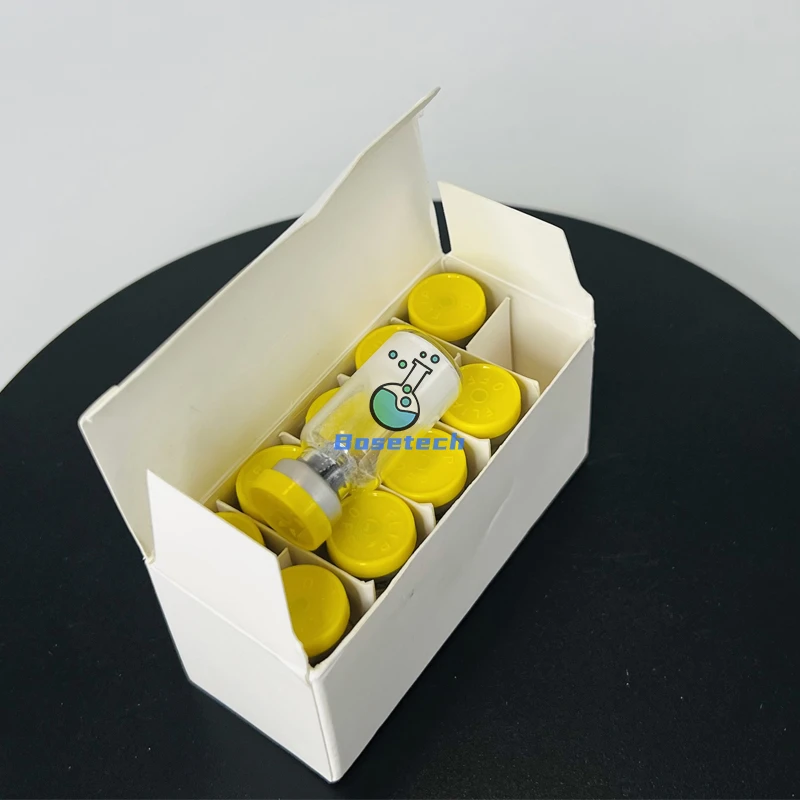
If you have any questions or want to discuss your specific requirements, don't hesitate to reach out. We're always happy to have a chat and help you make the right decision. You can contact us to start a conversation about purchasing and find out more about how GHK - Cu - 100mg can benefit your skin.
In conclusion, while GHK - Cu - 100mg has a lot of potential benefits for the skin, using it on sensitive skin requires some extra care. By doing a patch test, starting with a lower concentration, and being mindful of the other ingredients in the product, you can minimize the risk of irritation. And remember, if you have any doubts, it's always a good idea to consult a professional.
References
- Smith, J. (2020). The Role of Peptides in Skincare. Journal of Dermatological Research.
- Johnson, A. (2019). Collagen Synthesis and Anti - Aging Properties of GHK - Cu. International Journal of Cosmetic Science.