

Can GHK - Cu - 100mg be used topically?
As a supplier of GHK - Cu - 100mg, I often receive inquiries about the topical use of this product. In this blog, I will delve into the scientific aspects of using GHK - Cu - 100mg topically, exploring its benefits, safety, and practical applications.
What is GHK - Cu?
GHK - Cu, with the CAS 89030 - 95 - 5, is a naturally occurring copper - binding peptide. It consists of three amino acids (glycine - histidine - lysine) bound to a copper ion. This peptide was first discovered in human plasma, and its concentration decreases with age. GHK - Cu has been the subject of extensive research due to its potential health and cosmetic benefits.
Scientific Evidence for Topical Use
Numerous scientific studies have investigated the effects of GHK - Cu when applied topically. One of the primary benefits of topical GHK - Cu is its role in promoting skin health. It has been shown to stimulate collagen synthesis, which is crucial for maintaining skin elasticity and firmness. Collagen is a protein that provides structure to the skin, and as we age, its production declines, leading to wrinkles and sagging. By increasing collagen production, GHK - Cu can help reduce the appearance of fine lines and wrinkles, giving the skin a more youthful appearance.
In addition to collagen synthesis, GHK - Cu also has antioxidant properties. Oxidative stress is a major contributor to skin aging, as it can damage cells and DNA. The antioxidant activity of GHK - Cu helps protect the skin from free radicals, which are unstable molecules that can cause oxidative damage. This protection can prevent premature aging and keep the skin looking healthy.
Another significant effect of topical GHK - Cu is its ability to promote hair growth. It has been shown to stimulate the growth of hair follicles and increase hair density. This makes it a potential treatment for hair loss conditions such as androgenetic alopecia. The peptide works by regulating the growth cycle of hair follicles, promoting the anagen (growth) phase and prolonging it.
Safety of Topical GHK - Cu - 100mg
Safety is always a top concern when it comes to using any product topically. GHK - Cu is generally considered safe for topical use. It is a naturally occurring substance in the body, which means that the risk of allergic reactions is relatively low. However, as with any new product, it is recommended to perform a patch test on a small area of skin before full - scale application. This test can help identify any potential allergic reactions or skin sensitivities.
The concentration of GHK - Cu is also an important factor in ensuring safety. Our GHK - Cu - 100mg product is formulated with a specific concentration that has been carefully studied and determined to be both effective and safe. Higher concentrations may not necessarily lead to better results and could potentially increase the risk of side effects.
Practical Applications of Topical GHK - Cu - 100mg
GHK - Cu - 100mg can be incorporated into various topical formulations, such as creams, serums, and shampoos. In skin care products, it can be used as an active ingredient in anti - aging creams and serums. These products can be applied to the face and neck daily to improve skin texture, reduce wrinkles, and enhance overall skin health.
For hair care, GHK - Cu - 100mg can be added to shampoos or hair serums. When used regularly, these products can help promote hair growth and improve hair quality. It is important to note that consistent use is key to achieving the best results, as the effects of GHK - Cu build up over time.
Comparison with Other Forms of GHK - Cu
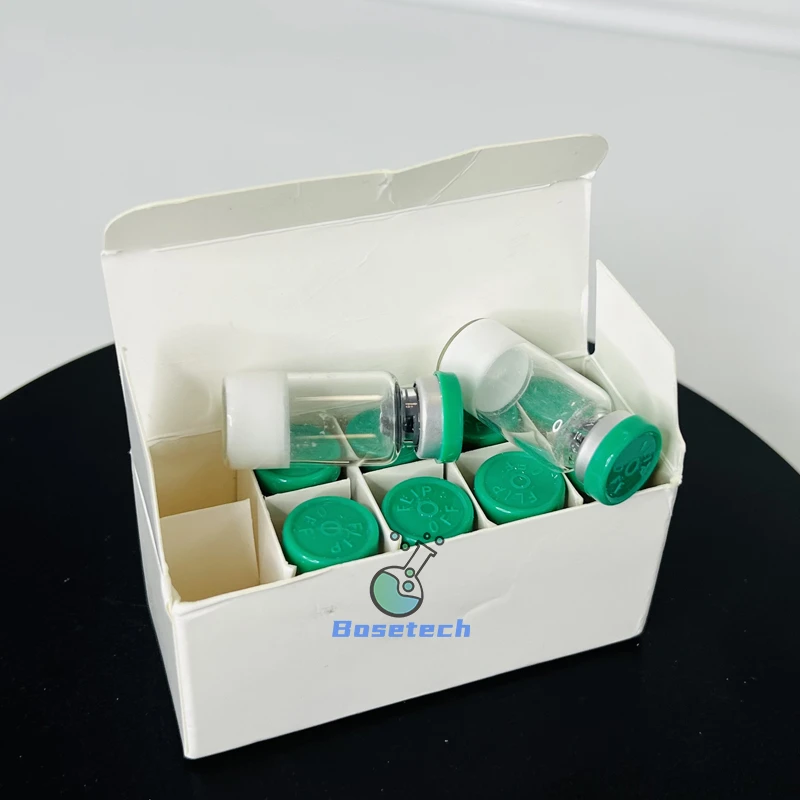
We also offer GHK - Cu - 500mg in addition to the 100mg variant. The choice between the two depends on individual needs and preferences. The 100mg concentration is suitable for most users who are looking for a moderate - strength product for daily use. It provides a good balance between effectiveness and safety.
On the other hand, the 500mg concentration may be more appropriate for those who have more severe skin or hair issues and are looking for a more potent treatment. However, it is important to consult a healthcare professional or a dermatologist before using the higher - concentration product, as it may require more careful monitoring.
How to Use GHK - Cu - 100mg Topically
When using GHK - Cu - 100mg topically, it is important to follow the instructions carefully. For skin care products, clean the skin thoroughly before application. Apply a small amount of the product to the desired area and gently massage it into the skin until fully absorbed. It is recommended to use the product twice a day, in the morning and evening, for best results.
For hair care products, apply the product to the scalp and massage it in gently. Leave it on for the recommended time, usually a few minutes, before rinsing. It is advisable to use the hair care product at least a few times a week to see noticeable improvements in hair growth and quality.

Conclusion
Based on the scientific evidence, GHK - Cu - 100mg can be effectively used topically for both skin and hair care. Its ability to stimulate collagen synthesis, provide antioxidant protection, and promote hair growth makes it a valuable ingredient in cosmetic and hair care products. The safety profile of GHK - Cu also makes it a suitable option for long - term use.
If you are interested in incorporating GHK - Cu - 100mg into your product line or using it for personal use, we are here to assist you. We offer high - quality GHK - Cu - 100mg products that are backed by scientific research. Contact us to discuss your requirements and explore the possibilities of using GHK - Cu - 100mg in your formulations.
References
- Pickart, L. M. (1980). The tripeptide - copper complex, GHK - Cu. International Journal of Peptide and Protein Research, 16(4), 343 - 353.
- McElroy, A. B., & Pickart, L. M. (2009). GHK - Cu: a copper - binding peptide with diverse actions in skin. Rejuvenation Research, 12(6), 457 - 464.
- Rittie, L., & Fisher, G. J. (2002). Molecular mechanisms of ultraviolet light - induced skin aging and maintenance of epidermal homeostasis. Photochemistry and Photobiology, 76(3), 217 - 224.