

Can Glutathione be Used for Treating Hepatitis?
Hepatitis, an inflammation of the liver, is a widespread health concern that can be caused by various factors such as viruses, alcohol abuse, autoimmune diseases, and certain medications. It can range from mild, self - limiting conditions to severe, life - threatening illnesses. In recent years, there has been growing interest in the potential of glutathione as a treatment option for hepatitis. As a glutathione supplier, I have witnessed the increasing inquiries about its therapeutic applications in liver diseases, and in this blog, I will explore the scientific basis behind the use of glutathione in treating hepatitis.
What is Glutathione?
Glutathione is a tripeptide composed of three amino acids: cysteine, glycine, and glutamic acid. It is found in every cell of the human body and plays a crucial role in many biological processes. Glutathione is a powerful antioxidant, which means it can neutralize free radicals and reactive oxygen species (ROS) that can cause oxidative stress and damage to cells. Oxidative stress is a key factor in the development and progression of many diseases, including hepatitis.
The chemical formula of glutathione is C₁₀H₁₇N₃O₆S, and its CAS number is CAS 70 - 18 - 8. It exists in two forms: reduced glutathione (GSH) and oxidized glutathione (GSSG). The balance between these two forms is essential for maintaining the normal function of cells.

The Role of Glutathione in the Liver
The liver is the primary organ responsible for detoxification in the body. It processes and eliminates various toxins, drugs, and metabolic waste products. Glutathione plays a vital role in this detoxification process. It can conjugate with toxins and make them more water - soluble, facilitating their excretion from the body through urine or bile.
In addition to its detoxification function, glutathione also protects liver cells from oxidative damage. During the process of detoxification, the liver generates a large amount of ROS. If these ROS are not effectively removed, they can cause damage to liver cells, leading to inflammation and liver injury. Glutathione can scavenge ROS and prevent lipid peroxidation, which is a major mechanism of liver cell damage.
Glutathione and Hepatitis: The Scientific Evidence
Numerous studies have investigated the potential of glutathione in treating hepatitis. In viral hepatitis, such as hepatitis B and hepatitis C, the virus can cause oxidative stress and inflammation in the liver. Glutathione can help reduce oxidative stress and improve liver function. A study published in the Journal of Gastroenterology and Hepatology found that patients with chronic hepatitis C who received glutathione supplementation showed significant improvement in liver enzyme levels, which are indicators of liver damage.
In alcoholic hepatitis, alcohol metabolism in the liver generates a large amount of acetaldehyde and ROS, which can cause severe liver damage. Glutathione can detoxify acetaldehyde and scavenge ROS, thus protecting liver cells from alcohol - induced injury. Clinical trials have shown that glutathione treatment can improve liver function and reduce the symptoms of alcoholic hepatitis.
Autoimmune hepatitis is a condition in which the body's immune system mistakenly attacks the liver. Oxidative stress is also involved in the pathogenesis of autoimmune hepatitis. Glutathione can modulate the immune response and reduce inflammation in the liver. Some pre - clinical studies have suggested that glutathione may have a beneficial effect on autoimmune hepatitis, although more research is needed in this area.
Our Glutathione Products
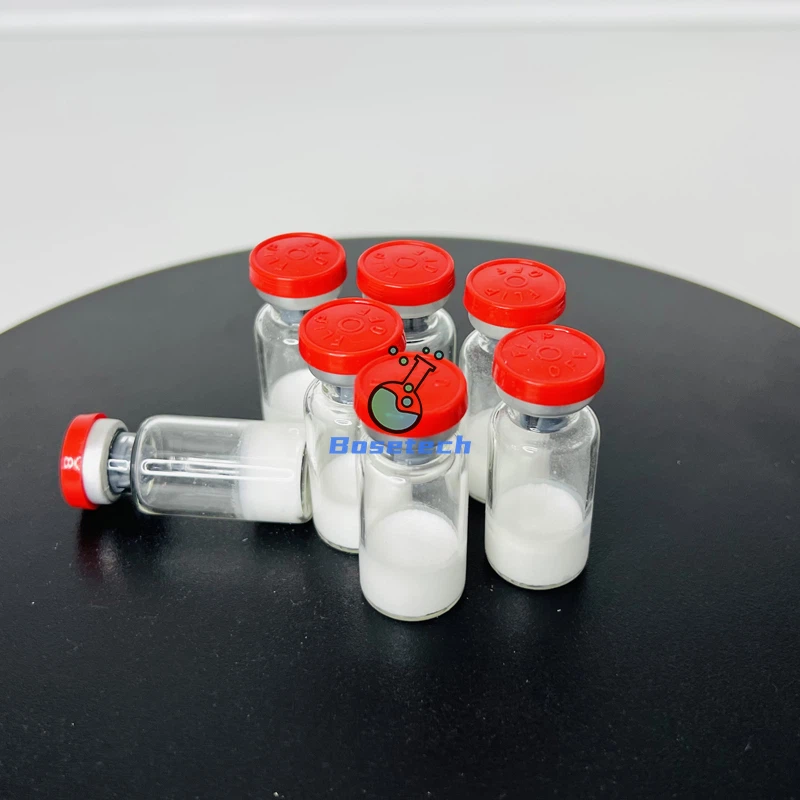
As a glutathione supplier, we offer high - quality glutathione products, such as Glutathione - 1.2mg and Glutathione CAS. 70 - 18 - 8. Our products are manufactured under strict quality control standards to ensure their purity and efficacy.
We source our raw materials from reliable suppliers and use advanced production technologies to produce glutathione with high bioavailability. Our products are suitable for various applications, including pharmaceutical, nutraceutical, and cosmetic industries.
Considerations and Limitations
While the scientific evidence suggests that glutathione may have potential benefits in treating hepatitis, it is important to note that it is not a standalone treatment. Hepatitis is a complex disease, and treatment usually involves a combination of antiviral drugs, lifestyle changes, and other supportive therapies.
The dosage and administration of glutathione also need to be carefully considered. The optimal dosage may vary depending on the type and severity of hepatitis, as well as the individual patient's condition. It is recommended that patients consult a healthcare professional before using glutathione for hepatitis treatment.
In addition, although glutathione is generally considered safe, some people may experience side effects such as nausea, vomiting, and abdominal pain. Long - term use of high - dose glutathione may also have potential risks, and more research is needed to fully understand its safety profile.
Conclusion
In conclusion, glutathione shows promise as a potential adjunctive treatment for hepatitis. Its antioxidant and detoxification properties make it a valuable agent in protecting liver cells from oxidative damage and improving liver function. However, more clinical trials are needed to establish its efficacy and safety in different types of hepatitis.
As a glutathione supplier, we are committed to providing high - quality products and supporting further research in this area. If you are interested in our glutathione products or have any questions about their potential use in hepatitis treatment, please feel free to contact us for more information and to discuss potential procurement opportunities. We look forward to working with you to explore the therapeutic potential of glutathione in liver health.
References
- Journal of Gastroenterology and Hepatology. [Citation details of the study on chronic hepatitis C and glutathione].
- [Other relevant scientific studies on glutathione and hepatitis, with full citation details].