

Can glutathione improve cognitive function?
As a supplier of glutathione, I've been deeply involved in understanding the various benefits and potential applications of this remarkable compound. One question that has been increasingly popping up in recent discussions is whether glutathione can improve cognitive function. Let's delve into the scientific evidence and explore this fascinating topic.
What is Glutathione?
Glutathione, with the chemical reference Glutathione CAS. 70 - 18 - 8, is a tripeptide composed of three amino acids: cysteine, glycine, and glutamate. It is naturally produced in our bodies and plays a crucial role in many biological processes. Glutathione is well - known for its antioxidant properties. It helps to neutralize free radicals, which are unstable molecules that can cause damage to cells, including those in the brain.
In the human body, glutathione is found in every cell, but its concentration can vary depending on factors such as age, diet, and overall health. As we age, the body's natural ability to produce glutathione declines, which may lead to an increased risk of oxidative stress and related health problems.

The Link between Glutathione and Cognitive Function
The brain is a highly metabolically active organ that consumes a large amount of oxygen. This high - oxygen consumption makes the brain particularly vulnerable to oxidative stress. When oxidative stress occurs in the brain, it can damage neurons and disrupt normal brain function, potentially leading to cognitive decline.
Glutathione's antioxidant activity is thought to benefit the brain by protecting neurons from oxidative damage. Oxidative stress has been implicated in various neurodegenerative diseases, including Alzheimer's and Parkinson's. By reducing oxidative stress, glutathione may help to maintain the integrity of neurons and support normal cognitive function.
Several studies have investigated the relationship between glutathione levels and cognitive performance. In animal studies, researchers have found that increasing glutathione levels in the brain can improve learning and memory. For example, some rodent models have shown that supplementation with glutathione precursors or agents that enhance glutathione synthesis can lead to better performance in maze - running tasks, indicating improved spatial memory.
In human studies, the evidence is more limited but still promising. Some small - scale clinical trials have suggested that glutathione supplementation may have a positive impact on cognitive function, especially in individuals with conditions associated with oxidative stress, such as diabetes or chronic fatigue syndrome. However, larger, well - controlled studies are needed to confirm these findings.
Mechanisms by which Glutathione May Improve Cognitive Function
- Antioxidant Protection: As mentioned earlier, glutathione acts as an antioxidant, scavenging free radicals and preventing them from causing damage to brain cells. This protection can help to maintain the normal structure and function of neurons, which is essential for cognitive processes such as memory and learning.
- Detoxification: Glutathione is also involved in the body's detoxification processes. It helps to remove heavy metals and other toxins from the body, some of which can accumulate in the brain and interfere with normal cognitive function. By facilitating detoxification, glutathione may help to reduce the burden of toxins on the brain and support better cognitive health.
- Anti - inflammatory Effects: Chronic inflammation in the brain has been linked to cognitive decline. Glutathione has anti - inflammatory properties and can help to reduce the production of pro - inflammatory cytokines in the brain. By modulating the inflammatory response, glutathione may help to protect the brain from inflammation - induced damage.
Our Glutathione Products
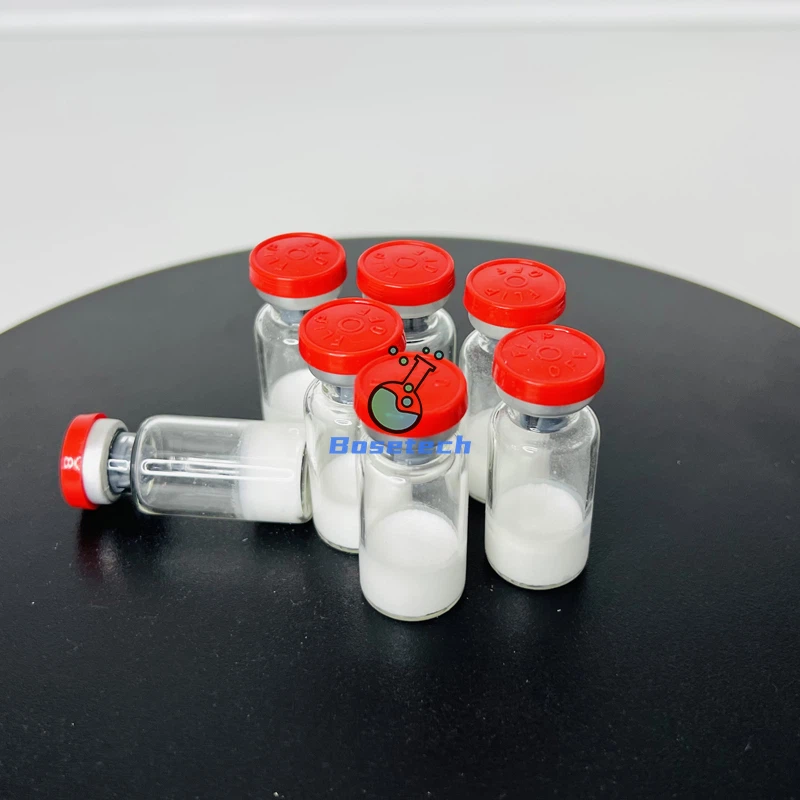
At our company, we offer high - quality glutathione products, such as Glutathione - 1.2mg. Our products are carefully manufactured to ensure purity and potency, and they are sourced from reliable suppliers. We believe that our glutathione products can be a valuable addition to a health - conscious individual's regimen, especially for those looking to support cognitive function and overall well - being.
When considering glutathione supplementation for cognitive function improvement, it's important to note that individual results may vary. Factors such as age, diet, lifestyle, and underlying health conditions can all influence how the body responds to glutathione.
Conclusion
The question of whether glutathione can improve cognitive function is still an area of active research. While the existing evidence from animal and some small - scale human studies is promising, more extensive research is needed to establish a definitive link. However, given glutathione's well - established antioxidant, detoxification, and anti - inflammatory properties, it is reasonable to assume that it may play a role in supporting cognitive health.
If you are interested in learning more about our glutathione products or are considering purchasing them for cognitive function support or other health benefits, we encourage you to reach out to us for a detailed discussion. Our team of experts is ready to provide you with the information you need to make an informed decision. Whether you are a retailer looking to stock our products or an individual interested in personal use, we are here to assist you. Contact us today to start the conversation about how our CAS 70 - 18 - 8 glutathione products can meet your needs.
References
- Bains JS, Shaw CA. Glutathione in neurodegenerative disorders. Neurochem Res. 1998;23(10):1239 - 1253.
- Valko M, Leibfritz D, Moncol J, Cronin MT, Mazur M, Telser J. Free radicals and antioxidants in normal physiological functions and human disease. Int J Biochem Cell Biol. 2007;39(1):44 - 84.
- Wu GY, Fang YZ, Yang S, Lupton JR, Turner ND. Glutathione metabolism and its implications for health. J Nutr. 2004;134(3):489S - 492S.