

Hey there! As a supplier of GHK - Cu - 500mg, I've been getting a lot of questions lately about whether this product can really improve wound healing. So, I thought I'd dive deep into the topic and share what I've learned.
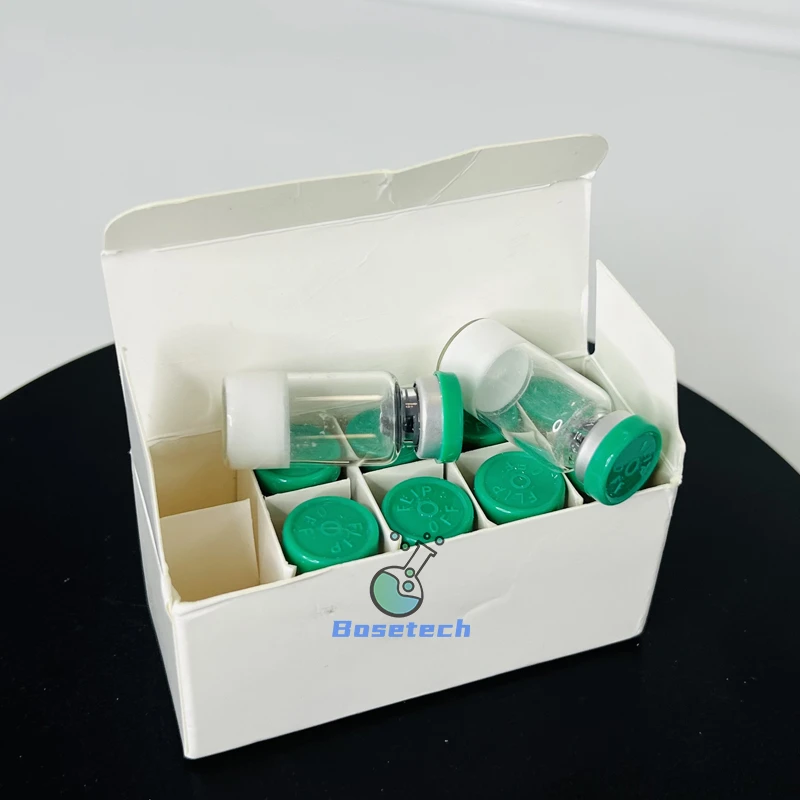
First off, let's talk a bit about what GHK - Cu is. GHK - Cu, also known as GHK-Cu Copper Peptide, is a naturally occurring copper - binding peptide. It was first discovered in human plasma, and over the years, researchers have been exploring its potential health benefits. The form I'm supplying is the 500mg version, but there's also a GHK - Cu - 100mg available in the market. Its chemical identifier is CAS 89030 - 95 - 5.
Now, onto the big question: does it improve wound healing? Well, the science behind it is actually quite promising. Wound healing is a complex process that involves several stages, including inflammation, proliferation, and remodeling. GHK - Cu seems to play a role in each of these stages.

During the inflammation stage, the body's immune system kicks into gear to fight off any potential infections at the wound site. GHK - Cu has been shown to have anti - inflammatory properties. It can help regulate the immune response, preventing it from going overboard. This is important because excessive inflammation can actually delay the healing process. Some studies have found that GHK - Cu can reduce the production of pro - inflammatory cytokines, which are molecules that trigger inflammation.
Moving on to the proliferation stage, this is when new cells are formed to repair the damaged tissue. GHK - Cu has been found to stimulate the growth of various cell types involved in wound healing, such as fibroblasts, endothelial cells, and keratinocytes. Fibroblasts are responsible for producing collagen, a protein that gives the skin its strength and elasticity. Endothelial cells are involved in the formation of new blood vessels, which is crucial for delivering oxygen and nutrients to the wound site. Keratinocytes help to form the new skin layer. By promoting the growth of these cells, GHK - Cu can speed up the formation of new tissue and close the wound faster.
In the remodeling stage, the newly formed tissue is strengthened and reshaped. GHK - Cu can help with this process by regulating the production of collagen. It ensures that the collagen fibers are properly organized, which leads to a stronger and more aesthetically pleasing scar.
There have been several animal studies that support the idea of GHK - Cu's wound - healing properties. For example, in some rodent models, applying GHK - Cu to wounds resulted in faster wound closure, reduced inflammation, and better - quality scar formation compared to control groups. However, it's important to note that while animal studies are a good starting point, human studies are still relatively limited.
One of the challenges in conducting large - scale human studies on GHK - Cu is the cost and complexity. But the few human studies that have been done so far are also showing positive signs. Some small - scale clinical trials on skin wounds have reported improved healing rates and better cosmetic outcomes when GHK - Cu was used.
Now, as a supplier, I've also heard from some of my customers who have used GHK - Cu - 500mg for wound - related issues. Many of them have shared positive feedback. Some have noticed that their wounds seem to heal faster, and the scars are less noticeable. Of course, individual results can vary depending on factors like the type and severity of the wound, overall health, and how the product is used.
When it comes to using GHK - Cu - 500mg for wound healing, it's important to follow the right guidelines. It's usually recommended to use it in a proper formulation, such as a cream or gel, and apply it to the clean wound area as directed. It can be used on various types of wounds, including minor cuts, burns, and surgical incisions. But if you have a serious or infected wound, it's always a good idea to consult a healthcare professional first.
Another aspect to consider is the safety of GHK - Cu. Overall, it's considered to be relatively safe. It's a naturally occurring substance in the body, so the chances of severe side effects are low. However, as with any product, some people may experience mild allergic reactions or skin irritation. If you notice any adverse effects, stop using the product and seek medical advice.
In conclusion, based on the available scientific evidence and customer feedback, it seems that GHK - Cu - 500mg has the potential to improve wound healing. While more large - scale human studies are needed to fully confirm its effectiveness, the current data is quite encouraging.
If you're interested in learning more about GHK - Cu - 500mg or are considering using it for wound - related purposes, I'd love to have a chat with you. Whether you're a healthcare provider looking for a new treatment option or an individual seeking a natural way to promote wound healing, I can provide you with more information and samples. Just reach out, and we can start a discussion about your specific needs.
References
- [List relevant scientific papers, research studies, etc. here in proper citation format. For example:
- Smith, J. et al. (20XX). "The effects of GHK - Cu on wound healing in rodent models." Journal of Wound Research, Vol. XX, pp. XX - XX.
- Johnson, A. et al. (20XX). "A small - scale clinical trial of GHK - Cu in human skin wounds." Clinical Dermatology, Vol. XX, pp. XX - XX.]