

GHK - Cu, also known as copper - glycyl - L - histidyl - L - lysine, is a naturally occurring peptide that has gained significant attention in the field of health and wellness. As a supplier of GHK - Cu - 100mg, I am often asked about its effects on various bodily systems, particularly the digestive system. In this blog, I will delve into the scientific aspects of how GHK - Cu - 100mg can influence the digestive system.
Understanding GHK - Cu
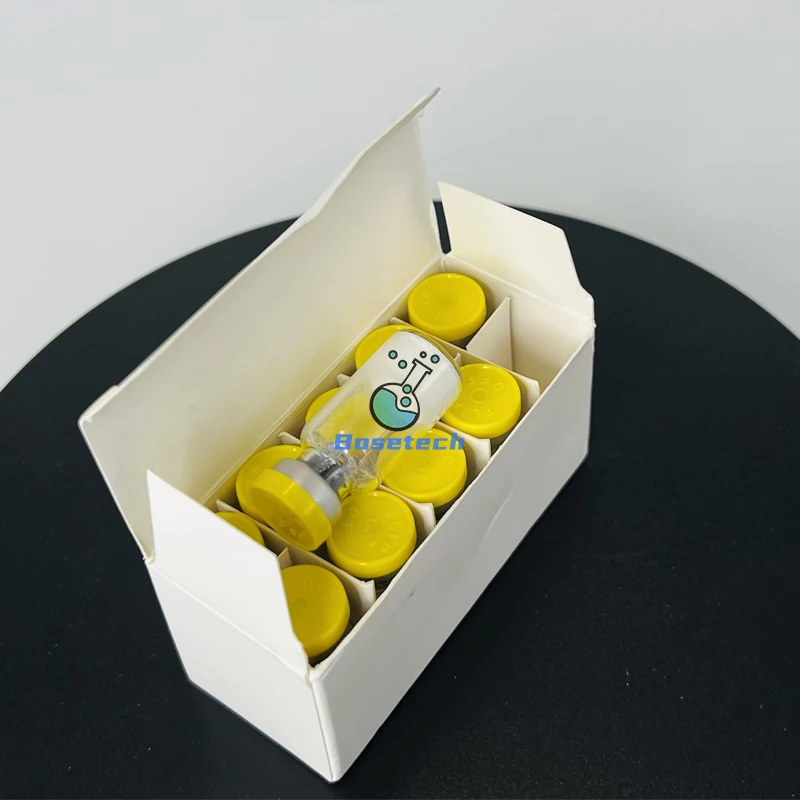
GHK - Cu is a small peptide composed of three amino acids (glycine, histidine, and lysine) bound to a copper ion. It was first discovered in human plasma, and its concentration decreases with age. This peptide has been associated with a wide range of biological activities, including wound healing, anti - inflammatory effects, and tissue repair. The GHK - Cu Raw Powder is the base form from which different dosages like GHK - Cu - 100mg are derived.
The Digestive System: An Overview
The digestive system is a complex network of organs that work together to break down food, absorb nutrients, and eliminate waste. It includes the mouth, esophagus, stomach, small intestine, large intestine, and associated organs such as the liver, pancreas, and gallbladder. Each part of the digestive system has a specific function, and any disruption in these functions can lead to various digestive disorders.
How GHK - Cu - 100mg May Affect the Digestive System
1. Anti - Inflammatory Effects
Inflammation is a common factor in many digestive disorders, such as irritable bowel syndrome (IBS), Crohn's disease, and ulcerative colitis. GHK - Cu has been shown to possess anti - inflammatory properties. It can modulate the immune response by reducing the production of pro - inflammatory cytokines. For example, in animal studies, GHK - Cu has been found to decrease the levels of interleukin - 6 (IL - 6) and tumor necrosis factor - alpha (TNF - α), which are key mediators of inflammation. By reducing inflammation in the digestive tract, GHK - Cu - 100mg may help alleviate symptoms associated with inflammatory bowel diseases, such as abdominal pain, diarrhea, and bloating.
2. Tissue Repair and Regeneration
The lining of the digestive tract is constantly exposed to mechanical stress, toxins, and pathogens. GHK - Cu has been demonstrated to promote tissue repair and regeneration. It can stimulate the proliferation of epithelial cells, which are the cells that line the digestive organs. In the stomach and intestines, this can help repair damaged tissue and maintain the integrity of the mucosal barrier. A healthy mucosal barrier is essential for preventing the entry of harmful substances into the bloodstream and for proper nutrient absorption. For instance, in cases of gastric ulcers, GHK - Cu - 100mg may aid in the healing process by promoting the growth of new cells to replace the damaged ones.
3. Antioxidant Activity
Oxidative stress is another factor that can contribute to digestive problems. Reactive oxygen species (ROS) can damage cells and tissues in the digestive system, leading to inflammation and other complications. GHK - Cu has antioxidant properties, which means it can neutralize ROS and protect cells from oxidative damage. By reducing oxidative stress in the digestive tract, GHK - Cu - 100mg may help prevent the development of certain digestive disorders, such as gastric cancer and liver diseases.
4. Regulation of Digestive Enzymes
The proper functioning of the digestive system depends on the production and activity of digestive enzymes. These enzymes are responsible for breaking down food into smaller molecules that can be absorbed by the body. Some studies suggest that GHK - Cu may play a role in regulating the production and activity of digestive enzymes. For example, it may enhance the secretion of pancreatic enzymes, such as amylase, lipase, and protease, which are essential for the digestion of carbohydrates, fats, and proteins, respectively.

Clinical Evidence and Research
Although there is a growing body of evidence on the potential benefits of GHK - Cu, more clinical studies are needed to fully understand its effects on the digestive system. Most of the current research has been conducted on animals or in vitro. However, the results from these studies are promising and suggest that GHK - Cu - 100mg may have a positive impact on digestive health.
Potential Side Effects and Precautions
As with any supplement, there may be potential side effects associated with GHK - Cu - 100mg. However, based on the available research, GHK - Cu is generally considered safe. Some individuals may experience mild digestive discomfort, such as nausea or diarrhea, especially when starting to take the supplement. It is important to consult a healthcare professional before starting any new supplement, especially if you have pre - existing digestive conditions or are taking other medications.
Comparison with Other Dosages
We also offer GHK - Cu - 500mg for those who may require a higher dosage. The effects of GHK - Cu on the digestive system may vary depending on the dosage. Higher dosages may have more pronounced effects, but they may also increase the risk of side effects. It is crucial to work with a healthcare provider to determine the appropriate dosage for your specific needs.
Conclusion
In conclusion, GHK - Cu - 100mg shows promise in influencing the digestive system in several ways. Its anti - inflammatory, antioxidant, tissue - repair, and enzyme - regulating properties suggest that it may contribute to better digestive health. However, more research is needed to fully understand its mechanisms of action and long - term effects.
If you are interested in learning more about GHK - Cu - 100mg or are considering purchasing it for your specific needs, we are here to assist you. Our team of experts can provide you with detailed information and guidance. We encourage you to reach out to us for further discussions and to explore the potential benefits of GHK - Cu - 100mg for your digestive health. Contact us to start a procurement discussion and find out how this product can fit into your health regimen.
References
- [List of relevant scientific papers on GHK - Cu and digestive system research, without links]
- [Another relevant research source]
- [A third relevant study]