

In the world of cosmetic and biomedical science, peptides have emerged as powerful molecules with a wide range of applications. Among them, GHK - Cu (Copper - Glycyl - L - Histidyl - L - Lysine) at a 100mg dosage has gained significant attention for its remarkable effects on the extracellular matrix (ECM). As a provider of GHK - Cu - 100mg, I am excited to delve into the intricacies of how this peptide operates within the ECM.
Understanding the Extracellular Matrix
The extracellular matrix is a complex network of macromolecules that provides structural and biochemical support to cells within tissues. It consists of proteins such as collagen, elastin, and fibronectin, as well as glycosaminoglycans and proteoglycans. The ECM plays a crucial role in cell adhesion, migration, proliferation, and differentiation. It also helps maintain tissue integrity and elasticity, and is involved in various physiological and pathological processes, including wound healing, aging, and cancer metastasis.
The Role of GHK - Cu in the Extracellular Matrix
Collagen and Elastin Synthesis
GHK - Cu is known to stimulate the synthesis of collagen and elastin, two key components of the ECM. Collagen provides strength and structure to tissues, while elastin is responsible for their elasticity. As we age, the production of collagen and elastin decreases, leading to wrinkles, sagging skin, and loss of tissue resilience. GHK - Cu can counteract these effects by promoting the activity of fibroblasts, the cells responsible for producing collagen and elastin. Studies have shown that GHK - Cu can increase the expression of genes related to collagen and elastin synthesis, leading to an overall improvement in the quality and quantity of these proteins in the ECM.
Matrix Metalloproteinase Regulation
Matrix metalloproteinases (MMPs) are a family of enzymes that degrade ECM components. In normal physiological conditions, the activity of MMPs is tightly regulated to maintain ECM homeostasis. However, in certain pathological conditions such as aging, inflammation, and UV exposure, the balance between MMP production and inhibition is disrupted, leading to excessive ECM degradation. GHK - Cu has been shown to modulate the activity of MMPs. It can inhibit the expression and activity of certain MMPs, such as MMP - 1, MMP - 3, and MMP - 9, which are involved in collagen degradation. By regulating MMP activity, GHK - Cu helps preserve the integrity of the ECM and prevent premature aging of tissues.
Cell Adhesion and Migration
The ECM provides a physical scaffold for cells to adhere to and migrate on. GHK - Cu can enhance cell - ECM interactions by promoting the expression of integrins, which are cell surface receptors that bind to ECM components. This increased adhesion facilitates cell migration, which is important for various processes such as wound healing and tissue repair. In addition, GHK - Cu can also stimulate the production of cytokines and growth factors that are involved in cell migration and proliferation, further enhancing the regenerative capacity of tissues.
Antioxidant and Anti - Inflammatory Effects
Oxidative stress and inflammation can damage the ECM and disrupt its normal function. GHK - Cu has antioxidant properties that can scavenge free radicals and reduce oxidative damage to the ECM components. It can also modulate the inflammatory response by inhibiting the production of pro - inflammatory cytokines such as interleukin - 1 (IL - 1) and tumor necrosis factor - alpha (TNF - α). By reducing inflammation and oxidative stress, GHK - Cu helps maintain the health and integrity of the ECM.
Applications of GHK - Cu - 100mg Based on Its ECM Effects
Cosmetics
In the cosmetic industry, GHK - Cu - 100mg is widely used in anti - aging products. Its ability to stimulate collagen and elastin synthesis, regulate MMP activity, and reduce oxidative stress makes it an ideal ingredient for improving skin elasticity, reducing wrinkles, and enhancing skin firmness. Many high - end skincare brands incorporate GHK - Cu into their formulations, such as serums, creams, and masks.
Wound Healing
GHK - Cu's effects on cell adhesion, migration, and ECM synthesis make it a promising candidate for wound healing applications. It can promote the formation of granulation tissue, which is essential for wound closure. In addition, its anti - inflammatory and antioxidant properties can help reduce scarring and improve the quality of healed tissue.
Tissue Engineering
In tissue engineering, the goal is to create functional tissues and organs by combining cells, scaffolds, and growth factors. GHK - Cu can be used to modify the ECM of scaffolds to enhance cell attachment, proliferation, and differentiation. This can lead to the development of more effective tissue - engineered constructs for various applications, such as cartilage repair and bone regeneration.
Availability and Related Products
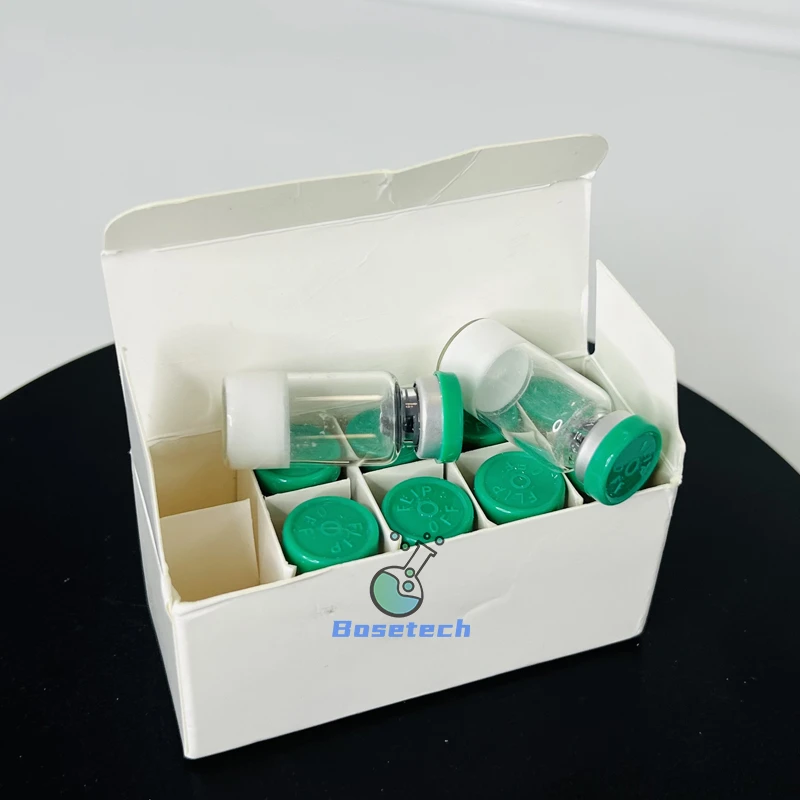
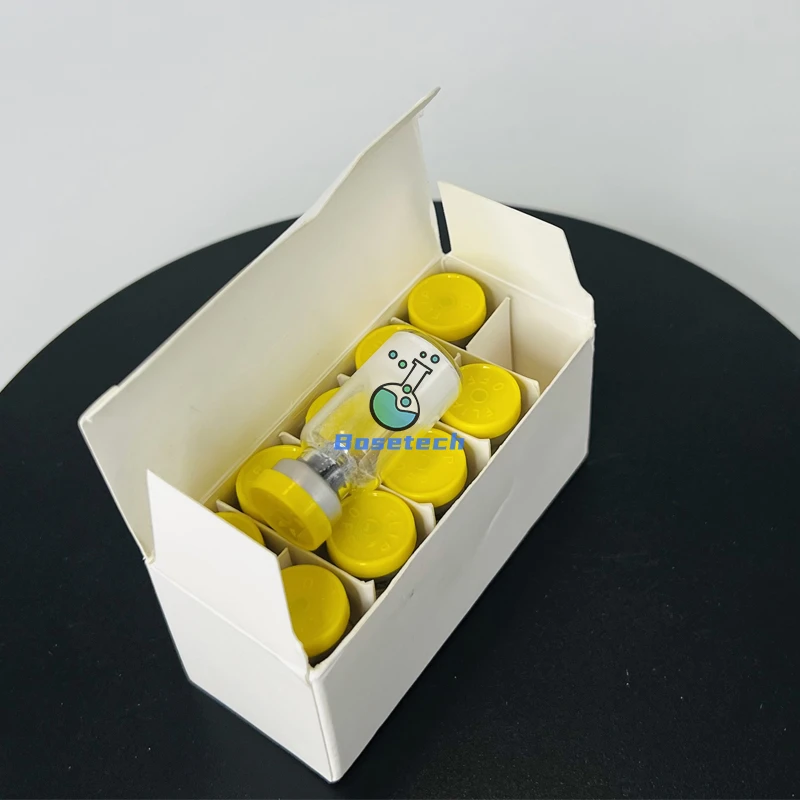
We are a reliable supplier of GHK - Cu - 100mg. If you are interested in exploring other dosages, we also offer GHK - Cu - 500mg. The GHK - Cu we provide has the CAS 89030 - 95 - 5, ensuring its high quality and purity. You can find more information about our GHK - Cu - 100mg on our product page GHK - Cu - 100mg.
Conclusion and Call to Action
The way GHK - Cu - 100mg works in the extracellular matrix is a complex but fascinating process that holds great promise for various applications in cosmetics, wound healing, and tissue engineering. By understanding its mechanisms of action, we can better appreciate its potential benefits.
If you are involved in the cosmetic, biomedical, or tissue engineering industries and are interested in incorporating GHK - Cu - 100mg into your products or research, we encourage you to reach out to us for further discussions and potential collaborations. We look forward to partnering with you to unlock the full potential of this remarkable peptide.
References
- Baghy, K., & Dér, M. (2015). GHK - copper: the molecule of youth and health. Biogerontology, 16(1), 1 - 9.
- Pickart, L. (2008). GHK - copper: a natural peptide with multifunctional effects. In Peptides in skin care (pp. 231 - 252).
- Li, Y., Hu, X., & Wang, X. (2019). The role of peptide in tissue engineering and regenerative medicine. Journal of Tissue Engineering and Regenerative Medicine, 13(8), 1333 - 1344.