

Is GHK - Cu - 100mg a synthetic product?
As a supplier of GHK - Cu - 100mg, I often encounter questions from customers regarding the nature of this product, especially whether it is a synthetic one. In this blog, I will delve into the topic and provide a comprehensive analysis based on scientific knowledge.
Understanding GHK - Cu
GHK - Cu, also known as copper glycyl - L - histidyl - L - lysine, is a naturally occurring peptide - copper complex. It was first discovered in human plasma in the 1970s. The peptide part, GHK, consists of three amino acids: glycine, histidine, and lysine. This tripeptide has a high affinity for copper ions, and when bound to a copper ion (Cu), it forms the GHK - Cu complex.
In the human body, GHK - Cu plays several important physiological roles. It is involved in tissue repair, wound healing, and the regulation of collagen and elastin synthesis. As we age, the levels of GHK - Cu in our body tend to decline, which is associated with the appearance of aging signs such as wrinkles, sagging skin, and reduced tissue elasticity.
The Synthesis of GHK - Cu
Now, let's address the question of whether GHK - Cu - 100mg is a synthetic product. The answer is both yes and no.
Natural Occurrence
As mentioned earlier, GHK - Cu is a naturally occurring substance in the human body. It is produced endogenously through normal metabolic processes. However, the amount of GHK - Cu present in our body is relatively small, and it is not feasible to extract it from human sources for commercial use.
Synthetic Production
To meet the demand for GHK - Cu in various industries, especially in the cosmetic and skincare sectors, synthetic methods have been developed. Synthetic GHK - Cu is produced through chemical synthesis processes. Scientists use advanced peptide synthesis techniques to create the GHK peptide and then combine it with copper ions to form the GHK - Cu complex.
The synthetic production of GHK - Cu offers several advantages. Firstly, it allows for the production of large quantities of the product with consistent quality. This is crucial for industries that require a stable supply of GHK - Cu for their products. Secondly, synthetic methods can ensure high purity levels of GHK - Cu, which is important for its effectiveness and safety.
Quality and Safety of Synthetic GHK - Cu
When it comes to synthetic products, concerns about quality and safety are often raised. However, the synthetic GHK - Cu produced through modern manufacturing processes is generally of high quality and safe for use.
Quality Control
Reputable suppliers of GHK - Cu, like us, implement strict quality control measures throughout the production process. We use high - quality raw materials and advanced manufacturing equipment to ensure the purity and stability of the product. For example, we conduct regular tests on the GHK - Cu samples to verify its chemical composition, purity, and biological activity.
Safety
Numerous studies have been conducted on the safety of GHK - Cu. The results show that when used in appropriate concentrations, GHK - Cu is well - tolerated by the human body. It has a low toxicity profile and does not cause significant adverse effects. In the cosmetic industry, GHK - Cu is widely used in skincare products such as creams, serums, and lotions, and has been proven to be safe for topical application.
Applications of GHK - Cu - 100mg
GHK - Cu - 100mg has a wide range of applications, mainly in the cosmetic and healthcare industries.
Cosmetic Applications
In the cosmetic industry, GHK - Cu - 100mg is highly valued for its anti - aging properties. It can stimulate the production of collagen and elastin in the skin, which helps to reduce the appearance of wrinkles, improve skin elasticity, and enhance skin firmness. Many high - end skincare brands incorporate GHK - Cu into their products to provide consumers with effective anti - aging solutions. You can learn more about GHK - Cu - 100mg and its cosmetic applications on our website GHK - Cu - 100mg.
Healthcare Applications
In the healthcare field, GHK - Cu - 100mg also shows potential in promoting tissue repair and wound healing. It can accelerate the regeneration of damaged tissues and reduce inflammation. Some research is also exploring its use in the treatment of certain diseases related to tissue damage, such as arthritis and cardiovascular diseases.
Our Offerings as a Supplier
As a supplier of GHK - Cu - 100mg, we are committed to providing high - quality products to our customers. Our GHK - Cu - 100mg is synthesized using the latest technology and undergoes rigorous quality control to ensure its purity and effectiveness.
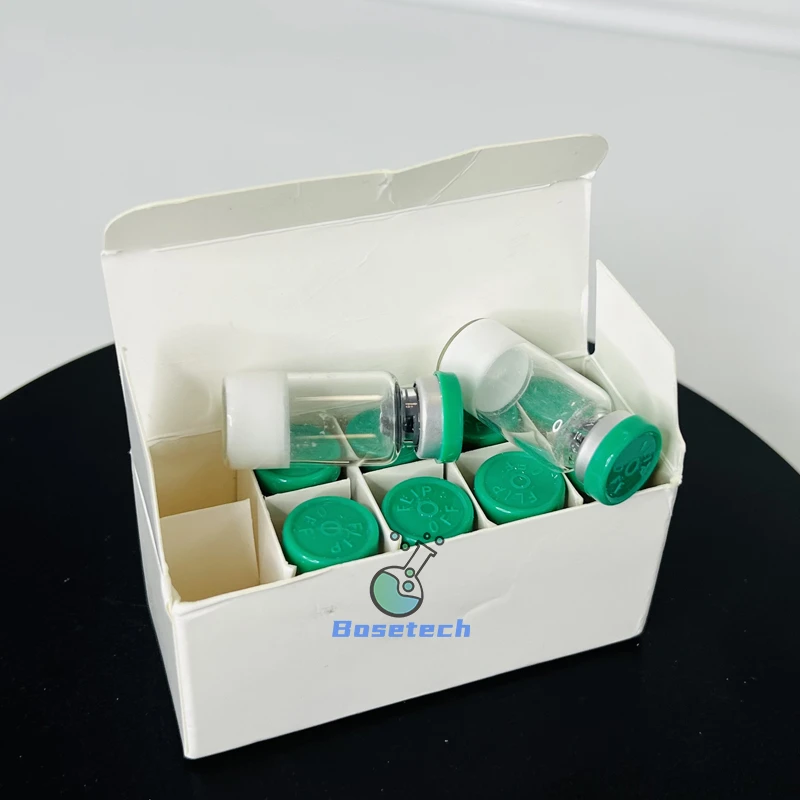
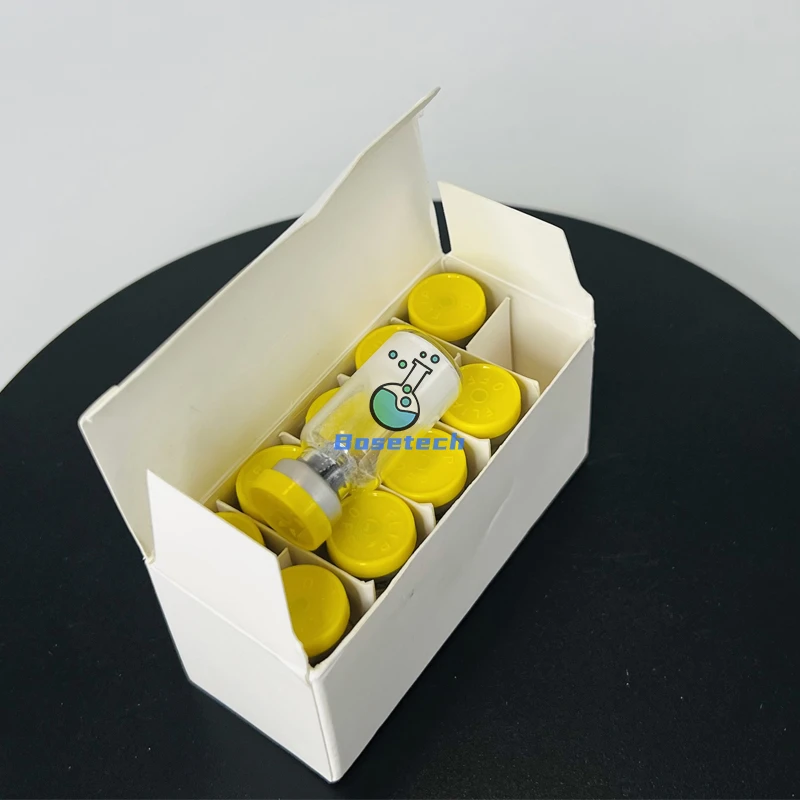
We also offer different packaging options to meet the diverse needs of our customers. In addition to GHK - Cu - 100mg, we also supply GHK - Cu - 500mg for those who require larger quantities.
If you are interested in our GHK - Cu products, you can find more detailed information about the product, including its chemical properties and specifications, on our website. The CAS number of GHK - Cu is CAS 89030 - 95 - 5, which can be used for further reference and verification.
Conclusion
In conclusion, while GHK - Cu is a naturally occurring substance in the human body, the GHK - Cu - 100mg available in the market is usually synthetically produced. Synthetic GHK - Cu offers many advantages in terms of quantity, quality, and consistency, making it a popular choice in various industries.
If you are in the cosmetic or healthcare industry and are looking for a reliable supplier of high - quality GHK - Cu - 100mg, we would be more than happy to discuss your requirements. Please feel free to contact us for more information and to start a procurement negotiation. We are confident that our products will meet your expectations and contribute to the success of your business.
References
- Pickart, L. (1980). The copper - binding protein in human plasma. Methods in Enzymology, 62, 301 - 309.
- Murr, L. E., & Murr, L. E. (2012). Copper peptides in dermatology: a review. Journal of Drugs in Dermatology, 11(9), 1079 - 1084.
- Werner, S., & Grose, R. (2003). Regulation of wound healing by growth factors and cytokines. Physiological Reviews, 83(3), 835 - 870.