

Hey there! As a glutathione supplier, I've been super interested in how stress can mess with glutathione levels in our bodies. Glutathione is this amazing little antioxidant that plays a huge role in keeping us healthy. So, let's dive into what stress really does to those glutathione levels.
First off, what's glutathione anyway? It's a tri - peptide made up of three amino acids: cysteine, glycine, and glutamic acid. You can find it in almost every cell of our body, and it's like the body's own personal bodyguard against oxidative stress. Oxidative stress happens when there's an imbalance between free radicals (unstable molecules that can damage cells) and antioxidants in the body. Glutathione steps in to neutralize those free radicals, protecting our cells from damage.
Now, let's talk about stress. We all know what stress feels like - that tightness in the chest, the racing heart, and the feeling like you're constantly on edge. Stress can be physical, like when you're sick or injured, or psychological, like when you're dealing with work pressure or relationship problems. And it turns out, stress has a pretty big impact on glutathione levels.
When we're under stress, our bodies go into fight - or - flight mode. This is a natural response that releases a bunch of hormones like cortisol and adrenaline. These hormones are great in the short - term; they give us a burst of energy to deal with the immediate threat. But when stress becomes chronic, it can take a toll on our glutathione levels.
Chronic stress can increase the production of free radicals in the body. You see, when we're stressed, our cells are working overtime. Our immune system is revved up, and our metabolism is in high gear. All of this extra activity generates more free radicals. And if our glutathione levels aren't high enough to keep up with the increased free radical production, oxidative stress occurs.
Oxidative stress can damage our cells, proteins, and DNA. It's linked to a whole bunch of health problems, including heart disease, diabetes, and even cancer. And here's the kicker: as our glutathione levels drop due to stress, our body's ability to fight off these diseases also decreases.
Another way stress affects glutathione is by interfering with its synthesis. The production of glutathione in our body is a complex process that requires the right nutrients and enzymes. Chronic stress can disrupt this process. For example, stress can reduce the availability of cysteine, one of the key amino acids needed to make glutathione. Without enough cysteine, our body can't produce as much glutathione.
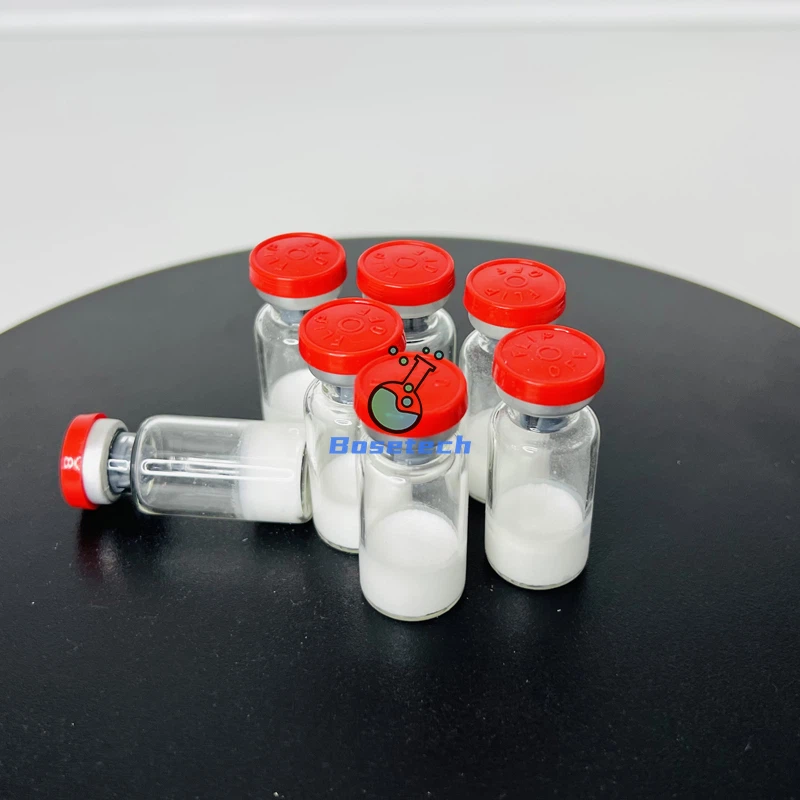
So, what can we do to maintain healthy glutathione levels when we're stressed? Well, one option is to take glutathione supplements. At our company, we offer a variety of high - quality glutathione products. For instance, we have Glutathione-1.2mg, which is a convenient way to boost your glutathione levels. It's easy to take and can help your body fight off the effects of stress.
We also have Glutathione CAS. 70 - 18 - 8. This is a pure form of glutathione that can be used in different applications, whether it's for personal health or in the cosmetic industry. And if you're looking for a more versatile option, our Glutathione Raw Powder is a great choice. You can add it to your smoothies or other drinks for an extra antioxidant boost.
In addition to taking supplements, there are other lifestyle changes you can make to support glutathione production. Eating a healthy diet rich in fruits, vegetables, and lean proteins is essential. Foods like broccoli, spinach, and avocados are great sources of the nutrients needed to make glutathione. Exercise is also important. Regular physical activity can help reduce stress and increase glutathione levels.
Getting enough sleep is another key factor. When we sleep, our body repairs and regenerates cells. This includes the production of glutathione. So, aim for 7 - 8 hours of quality sleep each night. And don't forget about managing stress through relaxation techniques like meditation, deep breathing, or yoga. These can help reduce the production of stress hormones and give your body a break from the constant fight - or - flight mode.
As a glutathione supplier, I've seen firsthand the benefits that our products can offer. Whether you're an individual looking to improve your health or a business in the cosmetic or health industry, having access to high - quality glutathione is crucial. Our products are carefully formulated to ensure maximum potency and effectiveness.
If you're interested in learning more about our glutathione products or have any questions about how stress affects glutathione levels, I'd love to hear from you. You can reach out to start a conversation about your specific needs and how we can help. We're always happy to assist with any inquiries and look forward to the opportunity to work with you.
In conclusion, stress has a significant impact on glutathione levels. Chronic stress can deplete our glutathione reserves, leading to oxidative stress and a host of health problems. But by taking steps to manage stress and supplementing with high - quality glutathione, we can support our body's natural defense system and maintain optimal health.
References

- Townsend, C. M., Beauchamp, R. D., Evers, B. M., & Mattox, K. L. (2012). Sabiston Textbook of Surgery: The Biological Basis of Modern Surgical Practice. Elsevier.
- Sies, H. (1999). Strategies of antioxidant defense. European Journal of Biochemistry, 266(2), 491 - 509.
- Sapolsky, R. M., Romero, L. M., & Munck, A. U. (2000). How do glucocorticoids influence stress responses? Integrating permissive, suppressive, stimulatory, and preparative actions. Endocrine Reviews, 21(1), 55 - 89.