

Retatrutide, a revolutionary peptide in the field of weight management and metabolic health, has garnered significant attention in recent years. As a leading supplier of retatrutide, I am excited to delve into the intricate production process of this remarkable compound. In this blog post, I will take you through each step of the production journey, from the initial raw material sourcing to the final quality control checks.
Raw Material Sourcing
The production of retatrutide begins with the careful selection and sourcing of high-quality raw materials. The key building blocks of retatrutide are amino acids, which are the fundamental units of peptides. These amino acids must meet strict purity and quality standards to ensure the integrity and efficacy of the final product.
We work closely with trusted suppliers who specialize in the production of pharmaceutical-grade amino acids. These suppliers adhere to rigorous manufacturing processes and quality control measures to guarantee the purity and consistency of their products. Before being used in the production of retatrutide, each batch of amino acids undergoes thorough testing to verify its identity, purity, and quality.
Peptide Synthesis
Once the raw materials have been sourced and approved, the next step is peptide synthesis. Peptide synthesis is a complex chemical process that involves the sequential addition of amino acids to form a specific peptide sequence. There are two main methods of peptide synthesis: solid-phase peptide synthesis (SPPS) and solution-phase peptide synthesis.
In our production process, we utilize solid-phase peptide synthesis, which is the most widely used method for peptide synthesis due to its efficiency, flexibility, and scalability. SPPS involves attaching the first amino acid to a solid support, such as a resin bead, and then sequentially adding the remaining amino acids in a specific order. Each amino acid is protected with a temporary blocking group to prevent unwanted reactions and ensure the correct sequence is formed.
The peptide synthesis process is carried out in a controlled environment using automated peptide synthesizers. These synthesizers are equipped with advanced technology and software that allow for precise control of the reaction conditions, including temperature, pH, and reaction time. After each amino acid is added, the temporary blocking group is removed, and the next amino acid is added to the growing peptide chain. This process is repeated until the desired peptide sequence is complete.
Purification
Once the peptide synthesis is complete, the crude peptide mixture is purified to remove any impurities, such as unreacted amino acids, by-products, and contaminants. Purification is a critical step in the production process, as it ensures the purity and quality of the final product.
There are several methods of peptide purification, including chromatography, filtration, and crystallization. In our production process, we utilize high-performance liquid chromatography (HPLC), which is a powerful separation technique that allows for the purification of peptides based on their chemical properties, such as size, charge, and hydrophobicity.
HPLC involves passing the crude peptide mixture through a column packed with a stationary phase, such as silica gel or a polymer resin. The mobile phase, which is a solvent or a mixture of solvents, is then pumped through the column, carrying the peptides with it. As the peptides pass through the column, they interact with the stationary phase and are separated based on their chemical properties. The purified peptide is then collected and analyzed to verify its purity and identity.
Lyophilization
After purification, the purified peptide solution is subjected to lyophilization, also known as freeze-drying. Lyophilization is a process that involves removing the water from the peptide solution by freezing it and then sublimating the ice under vacuum. This process preserves the stability and integrity of the peptide and allows for long-term storage and transportation.
Lyophilization is carried out in a lyophilizer, which is a specialized piece of equipment that can control the temperature, pressure, and vacuum conditions during the freeze-drying process. The purified peptide solution is first frozen in a pre-cooled chamber, and then the pressure is reduced to create a vacuum. The ice in the frozen solution then sublimates directly from the solid phase to the gas phase, leaving behind a dry, powdery peptide product.
Quality Control
Quality control is an essential part of the production process to ensure the safety, efficacy, and quality of the final product. At every stage of the production process, from raw material sourcing to final packaging, strict quality control measures are in place to monitor and verify the quality of the retatrutide.
We utilize a comprehensive quality control system that includes in-process testing, final product testing, and stability testing. In-process testing involves testing the raw materials, intermediate products, and final products at various stages of the production process to ensure that they meet the specified quality standards. Final product testing involves testing the finished retatrutide product to verify its identity, purity, potency, and stability. Stability testing involves storing the retatrutide product under various conditions, such as different temperatures and humidity levels, to evaluate its stability over time.
In addition to our internal quality control measures, we also adhere to strict regulatory requirements and industry standards. Our production facilities are certified to meet the highest quality and safety standards, and our products are manufactured in compliance with Good Manufacturing Practices (GMP).
Packaging and Storage
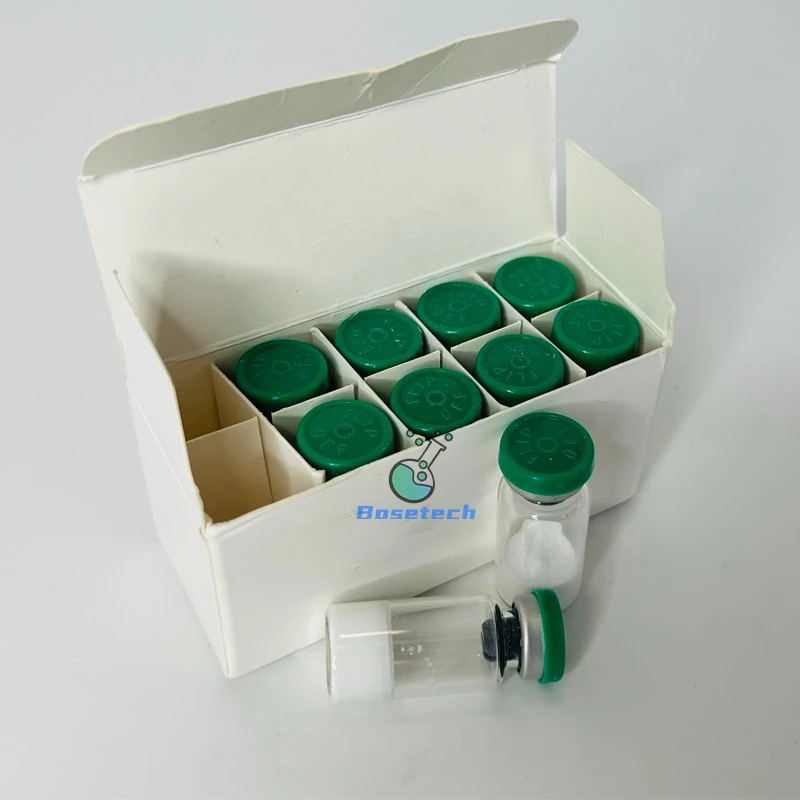
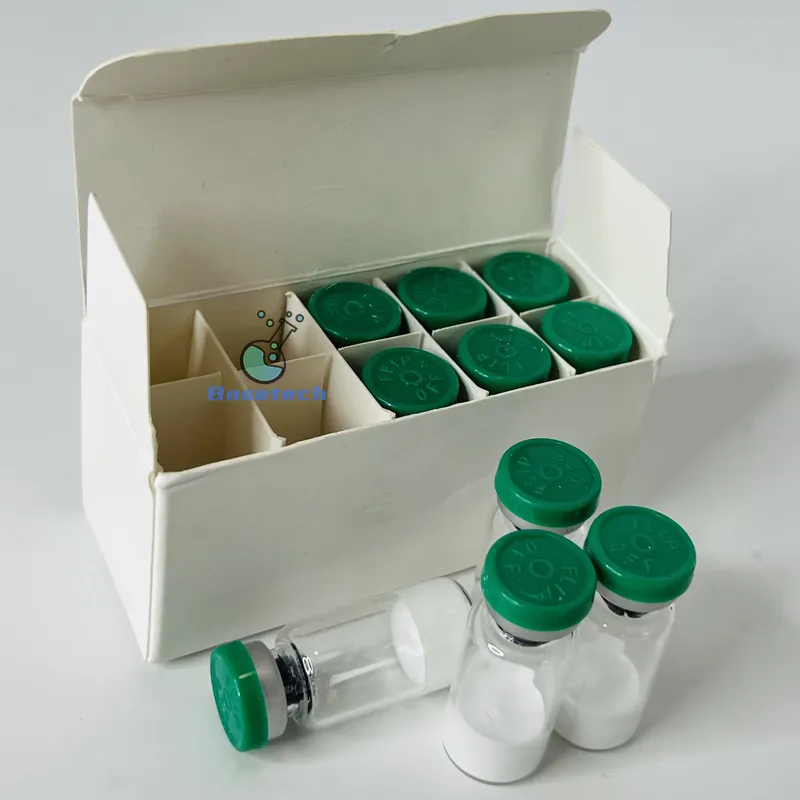
Once the retatrutide has passed all the quality control tests, it is ready for packaging and storage. The retatrutide is packaged in a sterile, airtight container to protect it from moisture, oxygen, and light. The packaging materials are carefully selected to ensure the stability and integrity of the product during storage and transportation.
We offer retatrutide in different formulations and strengths to meet the specific needs of our customers. Our product portfolio includes Retatrutide-5mg and Retatrutide-10mg, which are available in both powder and solution forms. We also provide detailed product information and usage instructions to ensure the safe and effective use of our products.
The retatrutide products are stored in a controlled environment at a specific temperature and humidity level to maintain their stability and quality. We recommend storing the retatrutide products in a cool, dry place away from direct sunlight and heat.
Conclusion
The production process of retatrutide is a complex and highly regulated process that requires strict quality control measures at every stage. From raw material sourcing to final packaging, we are committed to ensuring the safety, efficacy, and quality of our retatrutide products. As a leading supplier of retatrutide, we have the expertise, experience, and resources to meet the growing demand for this innovative peptide.
If you are interested in purchasing retatrutide or learning more about our products and services, please feel free to contact us. We look forward to working with you and providing you with the highest quality retatrutide products.
References
- Goodman, M., et al. (Eds.). (2005). Handbook of Biologically Active Peptides. Academic Press.
- Chan, W. C., & White, P. D. (2000). Fmoc Solid Phase Peptide Synthesis: A Practical Approach. Oxford University Press.
- Jones, J. (1994). Amino Acid and Peptide Synthesis. Oxford University Press.