

Semaglutide is a glucagon-like peptide-1 (GLP-1) receptor agonist that has gained significant attention in recent years, primarily for its effectiveness in managing type 2 diabetes and promoting weight loss. Available in various dosages, including 10mg, Semaglutide works by mimicking the action of the GLP-1 hormone, which helps regulate blood sugar levels, slow gastric emptying, and reduce appetite. As a Semaglutide-10mg supplier, we often receive inquiries about its suitability for patients with a history of kidney stones. In this blog post, we will explore the scientific evidence and considerations regarding the use of Semaglutide-10mg in such patients.
Understanding Kidney Stones and Their Causes
Kidney stones are hard deposits made of minerals and salts that form inside the kidneys. They can cause severe pain and discomfort when they move through the urinary tract. The formation of kidney stones is influenced by several factors, including diet, dehydration, certain medical conditions, and genetic predisposition. Some common types of kidney stones include calcium oxalate, calcium phosphate, uric acid, and struvite stones.
Mechanism of Action of Semaglutide
Semaglutide binds to GLP-1 receptors in the pancreas, which stimulates insulin secretion in a glucose-dependent manner. This helps lower blood glucose levels and reduces the risk of hyperglycemia. Additionally, Semaglutide slows down the rate at which the stomach empties, leading to increased satiety and reduced food intake. These effects contribute to weight loss and improved glycemic control in patients with type 2 diabetes.
Potential Effects of Semaglutide on Kidney Function
The impact of Semaglutide on kidney function has been a subject of research. In clinical trials, Semaglutide has generally shown a favorable safety profile with respect to kidney function. Some studies have suggested that GLP-1 receptor agonists, including Semaglutide, may have renoprotective effects. They can reduce albuminuria (the presence of albumin in the urine), which is a marker of kidney damage, and may slow the progression of diabetic kidney disease.
However, it's important to note that the relationship between Semaglutide and kidney function is complex, and individual responses may vary. In patients with pre-existing kidney problems, the drug's effects need to be carefully monitored.
Considerations for Patients with a History of Kidney Stones
When considering the use of Semaglutide-10mg in patients with a history of kidney stones, several factors need to be taken into account:
1. Dehydration
Semaglutide can cause a decrease in appetite, which may lead to reduced fluid intake. Dehydration is a well-known risk factor for kidney stone formation. Patients taking Semaglutide should be advised to maintain adequate hydration to prevent the concentration of urine and the formation of stones. Encouraging patients to drink plenty of water throughout the day is crucial.
2. Electrolyte Imbalance
Some kidney stones are associated with electrolyte imbalances, such as high levels of calcium, oxalate, or uric acid in the urine. Semaglutide may potentially affect electrolyte levels, although the evidence is limited. Healthcare providers should monitor electrolyte levels in patients with a history of kidney stones who are taking Semaglutide.
3. Interaction with Other Medications
Patients with a history of kidney stones may be taking other medications to manage their condition. It's important to consider potential drug interactions between Semaglutide and these medications. For example, some medications used to treat kidney stones may affect the metabolism or efficacy of Semaglutide.
4. Individual Risk Assessment
Each patient's situation is unique, and a comprehensive risk assessment should be conducted before prescribing Semaglutide-10mg. Factors such as the type of kidney stones, the frequency of stone formation, and the patient's overall health status should be considered.
Clinical Evidence and Research Findings
To date, there is limited specific research on the use of Semaglutide-10mg in patients with a history of kidney stones. However, studies on GLP-1 receptor agonists in general have provided some insights.
A meta-analysis of several clinical trials found that GLP-1 receptor agonists were associated with a lower risk of kidney disease progression in patients with type 2 diabetes. This suggests that Semaglutide may have a beneficial effect on kidney function in the long term. However, more research is needed to determine its safety and efficacy in patients with a history of kidney stones.
Our Role as a Semaglutide-10mg Supplier
As a Semaglutide-10mg supplier, we are committed to providing high-quality products and supporting healthcare professionals in making informed decisions. We understand the importance of ensuring the safety and well-being of patients, especially those with a history of kidney stones.
We offer Semaglutide for Weight Loss In 10mg, which is a popular option for patients looking to manage their weight and improve their glycemic control. Our product is manufactured to the highest standards and undergoes rigorous quality control measures.
In addition, we provide detailed information about CAS 910463-68-2, the chemical identifier for Semaglutide, to help healthcare professionals and researchers understand its properties and potential applications.
We also offer Semaglutide-2mg for patients who may require a lower dosage. Our team of experts is available to answer any questions and provide support throughout the procurement process.
Conclusion
The use of Semaglutide-10mg in patients with a history of kidney stones requires careful consideration. While there is some evidence suggesting that GLP-1 receptor agonists may have renoprotective effects, more research is needed to fully understand the impact of Semaglutide on kidney stone formation and recurrence.
Healthcare providers should conduct a thorough risk assessment and closely monitor patients taking Semaglutide. Patients should be educated about the importance of maintaining adequate hydration and following a balanced diet.

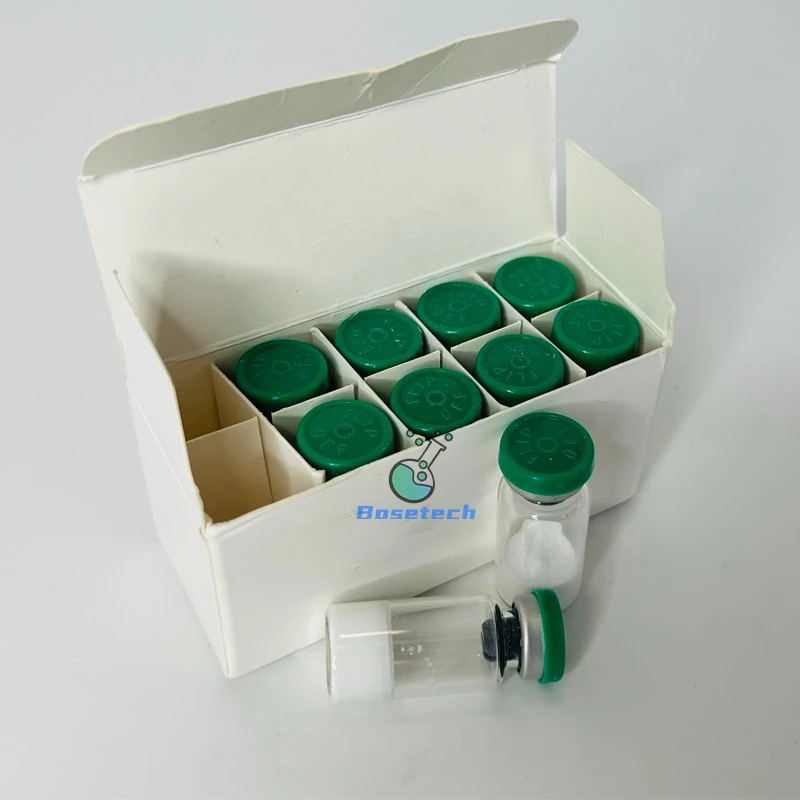
As a Semaglutide-10mg supplier, we are dedicated to providing high-quality products and supporting the medical community in making informed decisions. If you are interested in learning more about our Semaglutide products or have any questions, please feel free to contact us for procurement and further discussion.
References
- Marso SP, Daniels GH, Brown-Frandsen K, et al. Liraglutide and cardiovascular outcomes in type 2 diabetes. N Engl J Med. 2016;375(4):311-322.
- Zinman B, Wanner C, Lachin JM, et al. Empagliflozin, cardiovascular outcomes, and mortality in type 2 diabetes. N Engl J Med. 2015;373(22):2117-2128.
- Nauck MA, Pi-Sunyer FX, Hermansen K, et al. Liraglutide once a day versus exenatide twice a day for type 2 diabetes: a 26-week randomised, parallel-group, open-label trial (LEAD-6). Lancet. 2009;374(9683):39-47.