

GHK-Cu, a copper-binding tripeptide with the sequence Gly-His-Lys, has gained significant attention in the field of medical and cosmetic research due to its remarkable properties, especially in promoting blood vessel growth. As a supplier of GHK-Cu-100mg, I am excited to delve into the scientific mechanisms behind how this compound works to stimulate angiogenesis, the formation of new blood vessels.

The Basics of GHK-Cu
GHK-Cu, also known by its CAS 89030-95-5, is a naturally occurring peptide that was first discovered in human plasma. It has been found to play a crucial role in various physiological processes, including wound healing, tissue repair, and anti-aging. The copper ion bound to the GHK peptide is essential for its biological activity, as it enhances the peptide's stability and bioavailability.
Mechanisms of Blood Vessel Growth Promotion
Stimulation of Endothelial Cell Proliferation
Endothelial cells are the building blocks of blood vessels. GHK-Cu has been shown to stimulate the proliferation of endothelial cells, which is a critical step in angiogenesis. By binding to specific receptors on the surface of endothelial cells, GHK-Cu activates intracellular signaling pathways that promote cell growth and division. This leads to an increase in the number of endothelial cells, which can then form new blood vessels.
Induction of Angiogenic Factors
GHK-Cu also plays a role in the induction of angiogenic factors, such as vascular endothelial growth factor (VEGF) and fibroblast growth factor (FGF). These factors are essential for the development and maintenance of blood vessels. GHK-Cu stimulates the production of VEGF and FGF by endothelial cells and other cell types, which in turn promotes the growth and differentiation of endothelial cells and the formation of new blood vessels.
Modulation of the Extracellular Matrix
The extracellular matrix (ECM) is a complex network of proteins and carbohydrates that provides structural support for cells and tissues. GHK-Cu has been shown to modulate the ECM by promoting the synthesis of collagen and other ECM components. This helps to create a favorable environment for blood vessel growth and stability. Additionally, GHK-Cu can also degrade the ECM, which is necessary for the migration of endothelial cells during angiogenesis.
Anti-Inflammatory and Antioxidant Effects
Inflammation and oxidative stress can have a negative impact on blood vessel growth and function. GHK-Cu has been shown to have anti-inflammatory and antioxidant effects, which can help to protect blood vessels from damage and promote their growth. By reducing inflammation and oxidative stress, GHK-Cu can improve the microenvironment for angiogenesis and enhance the overall health of blood vessels.
Applications of GHK-Cu in Promoting Blood Vessel Growth
Wound Healing
One of the most well-known applications of GHK-Cu is in wound healing. By promoting blood vessel growth, GHK-Cu can improve the delivery of oxygen and nutrients to the wound site, which is essential for the healing process. Additionally, GHK-Cu can also stimulate the production of collagen and other ECM components, which helps to strengthen the wound and prevent scarring.
Tissue Repair
GHK-Cu has also been shown to be effective in promoting tissue repair in various organs and tissues. In the heart, for example, GHK-Cu can stimulate the growth of new blood vessels, which can improve blood flow and reduce the risk of heart disease. In the skin, GHK-Cu can promote the growth of new blood vessels, which can improve skin health and reduce the appearance of wrinkles and other signs of aging.
Cosmetic Applications
In the cosmetic industry, GHK-Cu is used in a variety of products, such as creams, serums, and lotions, to promote skin health and reduce the appearance of aging. By promoting blood vessel growth, GHK-Cu can improve the delivery of nutrients and oxygen to the skin, which can help to keep the skin healthy and youthful. Additionally, GHK-Cu can also stimulate the production of collagen and other ECM components, which can help to improve the elasticity and firmness of the skin.
Our GHK-Cu-100mg Product
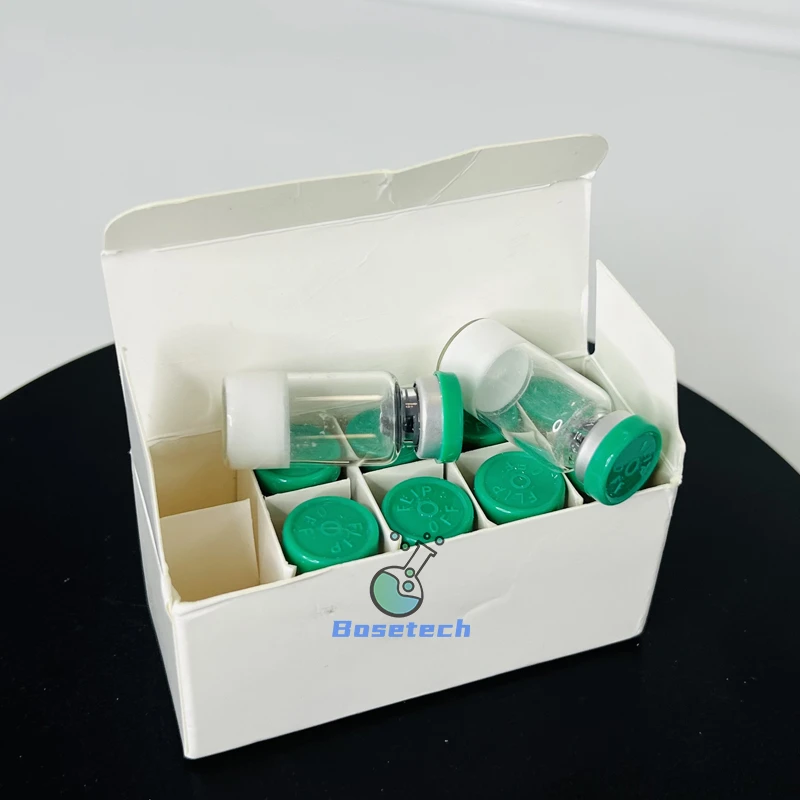
As a supplier of GHK-Cu-100mg, we are committed to providing high-quality products that meet the needs of our customers. Our GHK-Cu-100mg is manufactured using the latest technology and quality control standards to ensure its purity and efficacy. We also offer a range of other GHK-Cu products, including GHK-Cu-500mg, to meet the diverse needs of our customers.
Conclusion
In conclusion, GHK-Cu is a powerful compound that has been shown to promote blood vessel growth through a variety of mechanisms. By stimulating endothelial cell proliferation, inducing angiogenic factors, modulating the extracellular matrix, and having anti-inflammatory and antioxidant effects, GHK-Cu can improve the health and function of blood vessels. Our GHK-Cu-100mg product is a high-quality option for those looking to promote blood vessel growth and improve their overall health. If you are interested in learning more about our products or have any questions, please do not hesitate to contact us for further discussion and potential procurement.
References
- Pickart, L. M. (1982). The serum copper complex of glycyl-L-histidyl-L-lysine. Its isolation, characterization, and possible biological significance. The Journal of Biological Chemistry, 257(17), 10283-10288.
- Maquart, F. X., Deprez, M., Dalle, S., & Borel, J. P. (1993). GHK, a copper-binding peptide from human plasma, stimulates proteoglycan and collagen synthesis in human skin fibroblasts. The Journal of Investigative Dermatology, 101(3), 341-345.
- Melendez, A. J., & Wink, D. A. (1998). Copper(II) and zinc(II) complexes of GHK: structural and biological properties. Journal of Inorganic Biochemistry, 71(1-2), 113-120.
- Traish, A. M., & Guay, A. T. (2004). GHK-Cu: a potential therapeutic agent for the treatment of erectile dysfunction. The Journal of Sexual Medicine, 1(1), 33-40.
- Vissers, M. C., & Winterbourn, C. C. (2002). The copper complex of the tripeptide glycyl-L-histidyl-L-lysine (GHK-Cu) has potent pro-oxidant activity. Free Radical Biology & Medicine, 33(10), 1332-1340.