

Semaglutide is a game - changer in the world of metabolism and weight management. As a supplier of Semaglutide - 5mg, I've seen firsthand how this medication is revolutionizing the way we approach metabolic health. In this blog, I'll break down how Semaglutide - 5mg works on the metabolism, and why it's becoming such a popular choice for those looking to improve their metabolic function.
Understanding the Basics of Semaglutide
Semaglutide belongs to a class of drugs called GLP - 1 receptor agonists. GLP - 1, or glucagon - like peptide - 1, is a hormone that's naturally produced in our bodies. It plays a crucial role in regulating blood sugar levels, appetite, and metabolism. When we eat, GLP - 1 is released from the gut. It then signals the pancreas to produce insulin, which helps our cells take in glucose from the bloodstream. This process keeps our blood sugar levels in check.
Semaglutide mimics the action of GLP - 1. It binds to the GLP - 1 receptors in our body, triggering a series of metabolic responses. The 5mg dose of Semaglutide is carefully calibrated to provide an effective and safe way to influence these metabolic processes.
How Semaglutide - 5mg Affects Blood Sugar Regulation
One of the primary ways Semaglutide - 5mg works on the metabolism is by improving blood sugar control. When you take Semaglutide, it stimulates the pancreas to secrete insulin in a glucose - dependent manner. This means that insulin is only released when blood sugar levels are high. It helps prevent spikes in blood sugar after meals and keeps your blood sugar within a healthy range throughout the day.
Moreover, Semaglutide also reduces the production of glucagon. Glucagon is a hormone that raises blood sugar levels by signaling the liver to release stored glucose. By inhibiting glucagon secretion, Semaglutide further helps in maintaining stable blood sugar levels. This is particularly beneficial for people with type 2 diabetes, as it can reduce the need for other diabetes medications.
Impact on Appetite and Food Intake
Another significant effect of Semaglutide - 5mg on metabolism is its impact on appetite. When Semaglutide binds to GLP - 1 receptors in the brain, it sends signals that make you feel full and satisfied. This reduces your overall food intake, which in turn can lead to weight loss.
Studies have shown that people taking Semaglutide - 5mg often experience a decrease in their hunger pangs and cravings. They tend to eat smaller portions and are less likely to indulge in high - calorie foods. This reduction in calorie intake is a key factor in weight management and can have a positive impact on metabolic health.
Effects on Fat Metabolism
Semaglutide - 5mg also has a direct effect on fat metabolism. It promotes the breakdown of fat stores in the body, a process known as lipolysis. When fat is broken down, it releases fatty acids into the bloodstream, which can be used as an energy source. This helps to increase the body's energy expenditure and can contribute to weight loss.
In addition, Semaglutide may also help to reduce the accumulation of fat in the liver. Fatty liver disease is a common metabolic disorder that can lead to serious health problems. By reducing liver fat, Semaglutide can improve liver function and overall metabolic health.
Comparing Different Doses of Semaglutide
There are different doses of Semaglutide available, such as Semaglutide - 2mg, Semaglutide - 5mg, and Semaglutide for Weight Loss In 10mg. The 5mg dose is often a good middle - ground. It provides a more potent effect compared to the 2mg dose, but it's also less likely to cause severe side effects compared to the 10mg dose.
The 2mg dose may be suitable for those who are new to Semaglutide or have a lower tolerance. It can still have a positive impact on metabolism, but the effects may be less pronounced. On the other hand, the 10mg dose is more powerful and may be recommended for people with more significant weight management or metabolic issues. However, it also comes with a higher risk of side effects.
Side Effects and Considerations
Like any medication, Semaglutide - 5mg can have side effects. The most common side effects include nausea, vomiting, diarrhea, and constipation. These side effects are usually mild and tend to improve over time as your body adjusts to the medication.

It's important to note that Semaglutide is not suitable for everyone. People with a history of certain medical conditions, such as thyroid cancer or pancreatitis, may not be able to take Semaglutide. It's always a good idea to consult with a healthcare professional before starting any new medication.
Why Choose Semaglutide - 5mg from Our Supply
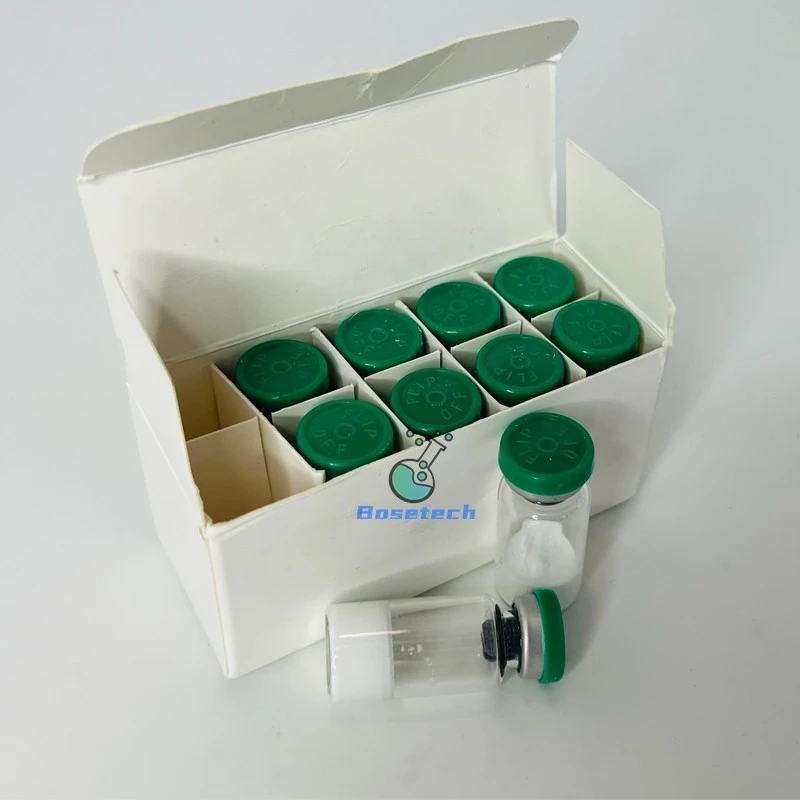
As a supplier of Semaglutide - 5mg, we take pride in offering a high - quality product. Our Semaglutide is sourced from reliable manufacturers and undergoes strict quality control measures. We understand the importance of providing a safe and effective product for our customers.
We also offer competitive pricing and excellent customer service. Whether you're a healthcare provider looking to stock Semaglutide - 5mg for your patients or an individual interested in purchasing it for personal use, we're here to assist you.
Contact Us for Procurement
If you're interested in learning more about Semaglutide - 5mg or are looking to place an order, we'd love to hear from you. We can provide you with all the information you need about the product, including its benefits, usage, and potential side effects. Don't hesitate to reach out to us for procurement and start your journey towards better metabolic health.
References
- Drucker, D. J., & Nauck, M. A. (2006). The incretin system: glucagon - like peptide - 1 receptor agonists and dipeptidyl peptidase - 4 inhibitors in type 2 diabetes. Lancet, 368(9548), 1696 - 1705.
- Wilding, J. P. H., Batterham, R. L., Calanna, S., Cohen, D., Davies, M., van Gaal, L. F.,... & Zhou, A. (2021). Once - weekly semaglutide in adults with overweight or obesity. New England Journal of Medicine, 384(10), 989 - 1002.